Finding the right 1-inch wheel spacers helps improve clearance, stability, and fitment for a variety of trucks and SUVs. This guide highlights five 1-inch spacers that fit common 6-lug and five-l lug patterns, with a focus on compatibility, material quality, and install considerations. The top picks cater to off-road enthusiasts, daily drivers, and value-conscious buyers who want better tire clearance and stance without compromising safety.
Buyer snapshot: The best choices below include spacers designed for 6×139.7 mm patterns (6×5.5) and 5×114.3 mm patterns, along with hub-centric designs for reduced vibration. Use the summary table to compare bolt patterns, hub bore, material, and typical torque ranges. Always verify your vehicle’s bolt pattern, hub bore, and wheel size before purchasing.
| Product | Bolt Pattern | Hub Bore | Material | Approx. Torque Range |
|---|---|---|---|---|
| Richeer 1 inch 6×5.5 | 6×139.7 mm | 106 mm | Grade 12.9 studs, aluminum spacers | 70-80 ft-lbs |
| FLYCLE 1 inch 5×4.5 | 5×114.3 mm | 82.5 mm | Aluminum | 75-85 ft-lbs |
| OMT 5×4.5 | 5×114.3 mm | — | Aluminum | Not specified |
| KSP 1 inch 6×5.5 | 6×139.7 mm | 106 mm | Forged aluminum | 72-80 ft-lbs |
| KSP 25mm 1 inch 5×114.3 | 5×114.3 mm | 66.1 mm | Aluminum | 72-80 ft-lbs |
Richeer 1 Inch 6×5.5 Hub Centric Spacers

Best for: Toyota 4Runner/Tacoma owners seeking hub-centric alignment with strong Studs. These spacers are designed for 6×139.7 mm bolt patterns and accommodate 106 mm center bores. The Grade 12.9 studs offer higher tensile strength for safety and stability at speed. The set includes four spacers with a recommended torque of 70-80 ft-lbs, supporting a firmer wheel mounting with reduced vibrations.
Why chosen: The hub-centric design minimizes runout and wheel vibration, which is especially important on longer highway drives and off-road corridors. The 12.9 studs provide robust retention and better load distribution than standard-grade hardware.
Best for who: Enthusiasts upgrading older Tacomas, 4Runners, and larger 6-lug Toyotas that need better tire clearance without sacrificing hub alignment. Better for vehicles with a 6×5.5 pattern seeking a reliable, heavy-duty spacer solution.
Caution: Verify your vehicle’s hub bore (106 mm) and lug nut torque requirements; improper torque can cause loosening or unsafe wheel mounting. Also confirm compatibility with aftermarket wheels that require precise hub alignment.
FLYCLE 1 Inch 5×4.5 Wheel Spacers

Best for: Jeep Wrangler, Grand Cherokee, and other 5×114.3 vehicles needing a modest spacing increase to prevent tire rubbing and achieve a wider stance. The 82.5 mm hub bore supports many common 5-lug applications while the 1/2″-20 studs offer a balance of strength and ease of installation.
Why chosen: This spacer set includes four spacers plus high-strength thread-locking compounds, making it a practical package for DIY install. The listed torque range of 75-85 ft-lbs aligns with common five-lug hardware expectations.
Best for who: Owners of Wranglers, Explorers, Mustangs, and other 5×114.3 vehicles looking for a straightforward 1-inch spacer without specialized hub adapters. Choose this if you want a complete kit with mounting aids.
Caution: Models listed exclude some JK/JL configurations; always check fitment for your exact year and trim to avoid hub-related interference or bolt incompatibility.
OMT 5×4.5 Wheel Spacers

Best for: Ford and Jeep models where a 1-inch spacer improves stability and track width. The set uses high-strength aluminum (T6) and includes zinc-coated bolts for enhanced wear resistance.
Why chosen: The kit emphasizes solid construction and secure tightening with a stippled geometry intended to deliver consistent performance under varying loads. It supports a stable axle track extension without compromising hub integrity.
Best for who: Enthusiasts seeking a robust, all-metal spacer solution for classic Ford and Jeep builds, where a 1-inch increase helps clear aftermarket wheels or flares. Avoid this if your vehicle requires a different bolt pattern or a non-hub-centric design.
Caution: The listing notes compatibility with several Ford and Jeep models; verify your exact year and trim, especially if your vehicle has locking hubs or unusual hub bore measurements.
KSP 1 Inch 6×5.5 Hub Centric Spacers
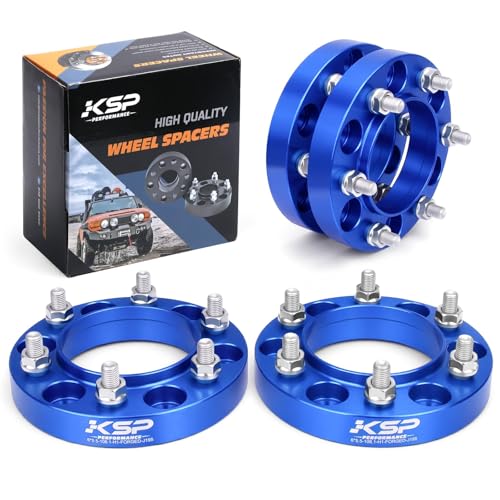
Best for: Toyota 4Runner, FJ Cruiser, and Tacoma owners with 6×139.7 mm patterns who want precise hub-centric alignment and a forged aluminum construction for strength.
Why chosen: These spacers use forged aluminum and include 106 mm hub bore compatibility, with a 12×1.5 stud pitch. The design emphasizes vibration control and improved handling at higher speeds, supported by a target torque of 72-80 ft-lbs.
Best for who: Vehicles that need a strong, hub-centric solution to minimize wheel wobble and maintain steering feel after adding wider wheels. Choose this if you value precise hub alignment and robust studs.
Caution: Some Toyota trims or aftermarket wheels may require additional clearance checks; confirm the 6×139.7 pattern on your specific vehicle and inspect for any interference with calipers or fenders.
KSP 25mm (1 Inch) 5×114.3 Wheel Spacers

Best for: 5×114.3 vehicles such as Nissan, Infiniti, and many passenger cars where a 1-inch spacer helps prevent rubbing and improves wheel offset without altering bolt patterns.
Why chosen: This spacer uses a hub-centric design with a 66.1 mm hub bore and 12×1.25 bolts, along with a 72-80 ft-lbs torque range. It aims to reduce tire rubbing while maintaining proper hub alignment.
Best for who: Nissan/Infiniti and similar 5×114.3 platforms looking for a compact spacer that preserves hub alignment while increasing track width slightly.
Caution: Not all 5×114.3 setups support hub-centric spacers; check hub bore and caliper clearances for вашего exact model configuration before purchase.
Buying Guide: Key Considerations For 1-Inch Wheel Spacers
- Bolt pattern compatibility: Ensure the spacer matches your vehicle’s bolt pattern (6×139.7 mm or 5×114.3 mm are common). Mismatches can cause improper mounting and safety risks.
- Hub bore alignment: Hub-centric spacers align with the wheel hub to reduce vibration. Confirm your hub bore matches the spacer’s bore size (e.g., 106 mm or 82.5 mm).
- Material and strength: Aluminum spacers are lighter and resist corrosion, but should still provide sufficient tensile strength. Look for high-grade studs (12.9) for improved safety margins.
- Torque specifications: Follow manufacturer torque recommendations (typically 70-85 ft-lbs). Under-tightening can loosen wheels; over-tightening can damage studs or hubs.
- Installation considerations: Some spacers come with mounting hardware and thread lockers. Include a torque wrench and anti-seize compound as appropriate for a secure installation.
- Vehicle-specific fit: Some spacers are not compatible with locking hubs, certain trims, or aftermarket wheels. Always check fitment notes or use a fit-check tool when possible.
- Ride quality and clearance: Spacers can alter steering feel and suspension geometry. Expect a firmer feel and increased tire clearance risk with large offset changes.
Frequently Asked Questions
- What is a hub-centric wheel spacer? A hub-centric spacer uses the hub bore to center the wheel, reducing runout and vibration compared to non-hub-centric spacers.
- Can I install spacers on any vehicle? Not all vehicles support spacers. Check bolt pattern, hub bore, caliper clearance, and wheel offsets for compatibility.
- Do spacers require locking compounds? Some kits include thread lockers; follow the included instructions and use anti-seize if recommended by the manufacturer.
- Will spacers affect tire wear? Properly installed spacers with correct torque have minimal direct impact on tire wear, but changes to alignment can influence wear patterns over time.
- Is there a risk using spacers for off-roading? Off-road use can introduce higher stress on studs and hubs. Ensure spacers are rated for your driving conditions and regularly inspect hardware.
- How do I choose the right spacer? Start with your bolt pattern and hub bore, then evaluate material, studs, and torque ratings. Consider your desired stance, wheel offset, and clearance needs.