Selecting tires for the Acura TL involves more than picking a tread pattern. Wheel compatibility, tire pressure monitoring, and suspension geometry all influence grip, braking, and ride comfort. This guide highlights five Amazon options that complement the TL’s performance and daily practicality: two OEM-style wheel replacements, a reliable tire pressure sensor, a camber/toe kit to fine-tune alignment, and front struts that restore ride quality. Each product aligns with common TL configurations, from 2004-2006 models to later TL variants, and is designed to work with TPMS where applicable. The aim is safer handling and more uniform tire wear across seasons.
Summary Of Chosen Products
| Product | Type | Key Fit |
|---|---|---|
| Factory Wheel Replacement 17×8 for 2006 TL | Wheel | Direct Fit, 5×114.3, TPMS ready |
| WheelerShip 17×8 Wheel for Acura TL Type S | Wheel | New wheel, 5×114.3, OE cross-reference SEP780E |
| Partuto Tire Pressure Sensor 42753TY2A51 | TPMS Sensor | TL 2009-2014 compatibility |
| maXpeedingrods Rear Camber Toe Kit | Suspension/Alignment | Adjustable camber -3° to +3°, toe -1° to +1° |
| KAX Quick Front Struts for 2009-2014 TL | Suspension | Front struts with coil springs, set of 2 |
Factory Wheel Replacement 17×8 for 2006 TL

Designed as a direct-fit replacement, this 17×8 inch wheel matches the Acura TL’s factory specifications to preserve balance and performance. It uses a 5×114.3 mm bolt pattern and an offset of 45 mm, with a silver-painted finish and a clear coat to resist curb damage. The wheel is listed as a vehicle-specific part for 2006 TL models with tire pressure sensors, and it mirrors the original part number 42700SEPA31. It is not recommended for 6-speed manual transmissions. Factory-style accuracy is complemented by a 30-day return window and a 2-year finish warranty. US-based strength testing adds confidence for daily driving.
On the road, the wheel’s exact dimensions influence tire fit, load capacity, and performance under cornering. This replacement is designed to balance like the OE wheel and should be installed by a technician who can verify correct lug torque and TPMS integration. The Silver Clearcoat is chosen to match the TL’s aesthetic while providing durability against chips. After installation, balancing is advised to ensure smooth rotation at highway speeds. The combination of spec precision and US-strength testing underscores reliability for everyday driving and longer trips.
WheelerShip 17×8 Wheel for Acura TL Type S

WheelerShip’s 17×8 wheel offers another OEM-style option for Acura TL owners seeking a fresh replacement. The Charcoal finish with a five-spoke silhouette provides a distinct look while maintaining proven geometry. It features a 5×114.3 mm bolt pattern and a 45 mm offset, along with a center bore of 64.1 mm. The wheel is new and aligns with an OE cross-reference SEP780E, giving buyers confidence in compatibility with TL models that originally used similar rims. This wheel complements standard tire sizes and helps maintain proper load distribution and steering feel after replacement.
As with any wheel upgrade, confirming compatibility with TPMS sensors and tire sizes is essential. The wheel is designed to fit the TL family broadly, but checks against your VIN and original wheel part numbers help avoid mismatches. When mounting, professionals should verify wheel weight and runout, then properly torque lugs to spec. A new wheel can refresh handling and appearance, reduce vibrations, and support even tire wear when paired with suitable tires and balanced appropriately.
Partuto Tire Pressure Sensor 42753TY2A51

Partuto’s Tire Pressure Sensor is designed to monitor air pressure inside the TL’s tires and relay data to the vehicle’s TPMS. The part number 42753TY2A51 is identified as compatible with Acura TL years 2009-2014, and it also lists fitment for ZDX and RLX models, broadening potential use for owners with similar sensor designs. The sensor is small, robust in operation, and built to resist typical temperature swings in both hot and cold climates. Durable materials and precise sensing help drivers maintain optimal tire pressure and improve fuel efficiency.
Replacing a faulty TPMS sensor can prevent inaccurate readings that lead to underinflated tires and uneven wear. Installation typically requires an access tool and relearning the sensor to the vehicle’s TPMS controller. Prospective buyers should confirm wheel sensor compatibility and ensure that the replacement is calibrated for the TL’s sensor ID. With a proper install, drivers enjoy consistent tire pressure data, enhanced ride quality, and longer tire life, especially in seasonal driving where temperature fluctuations affect inflation.
maXpeedingrods Rear Camber Toe Kit for Acura TL
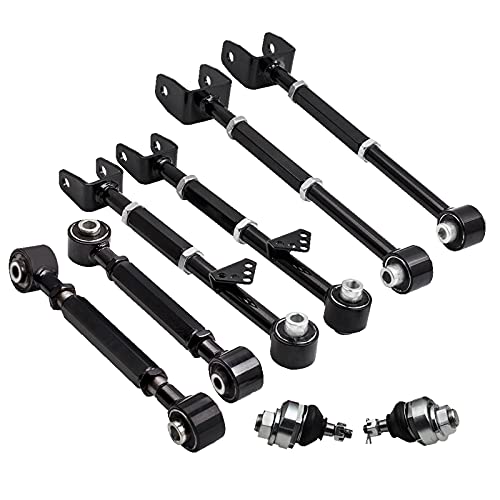
maXpeedingrods presents a rear camber toe kit intended to improve tire contact and alignment for the TL family when paired with compatible suspension. The kit supports adjustable rear camber from -3.0 to +3.0 degrees and rear toe from -1.0 to +1.0 degree. It includes preinstalled rubber bushings, and the arms are manufactured from high-strength carbon steel with powder coating for corrosion resistance. The kit lists fitment for Acura TL 2009-2013, as well as Honda Accord 2008-2013 and Acura TSX 2009-2013, making it a flexible option for owners seeking improved tire wear and handling.
Proper alignment is critical when installing this kit; while it can reduce tire feathering and uneven wear, it also shifts suspension geometry, which can alter steering feel. After installation, a professional alignment is recommended to realize the full benefits and maintain predictable road feel. The kit’s robust construction and preinstalled bushings support longer-lasting components and quieter operation. Users should factor in wheel clearance, ride height, and potential alignment adjustments to maximize grip and stability across a variety of driving conditions.
KAX Quick Front Struts for Acura 2009-2014 TL

KAX Quick Front Struts are complete front shock assemblies designed for 2009-2014 TL models with front-wheel drive. The set includes two complete struts with coil springs, eliminating the need for separate spring compressors during replacement. The design emphasizes improved braking response and ride stability; damping is tuned to reduce body bounce and maintain better tire contact with the road. This unit is marketed as a ready-to-install solution that can restore handling and steering feedback after worn-out shocks, contributing to more predictable tires contact and safer braking performance.
Before installation, verify compatibility with your trim and existing suspension components, and plan for torque and alignment adjustments after replacement. While the assembly simplifies labor, it remains a high-precision component and should be installed by a qualified technician. The two-pack ensures balanced replacement on both sides, helping to maintain stable handling and even tire wear. A proper install, paired with appropriate tires and periodic inspections, supports safer stopping distances and consistent grip, especially on imperfect pavement or in variable weather.
Buying Guide
When choosing tires-related upgrades for the Acura TL, consider your driving style, climate, and wheel/tire compatibility. Here are key factors to weigh, with perspectives for OEM-style reliability, performance-focused options, and budget-conscious paths.
Fitment And Vehicle Confidence
Check bolt patterns (most TL wheels use 5×114.3 mm), offsets, and center bores to ensure a precise fit. TPMS compatibility is essential if your vehicle uses tire pressure monitoring. When selecting a wheel or sensor, verify compatibility with your VIN and original part numbers to avoid installation headaches and inaccurate readings. For suspension components, confirm you are selecting the correct generation and drivetrain configuration (FWD vs AWD) to match your TL’s geometry.
Sensor Technology And Tire Monitoring
TPMS sensors improve tire maintenance by providing real-time pressure data and alerting you to slow leaks or underinflation. Consider sensors with robust temperature resistance and compatibility with your TL’s learning protocol. Relearning may be required after installation, so allocate time for technician validation or dealership support. A reliable sensor helps maintain even tire wear, better fuel efficiency, and safer handling in temperature swings throughout the year.
Suspension Upgrades And Alignment
Camber/toe kits and front struts influence tire contact patch, steering response, and ride quality. Aligning after installation is crucial to realize the benefits and prevent irregular tire wear. OEM-style replacements prioritize reliability and a familiar feel, while performance-oriented parts can sharpen handling at the expense of ride smoothness. Consider your driving environment—daily commuting versus spirited weekend driving—and budget when selecting components. Expect a professional alignment to complement any suspension upgrade and to maintain balanced grip across all four tires.
Warranty, Returns, And Durability
Look for products with clear return policies and warranties, especially for wheels and suspension components that bear load and stress. A finish warranty on wheels protects against chipping and corrosion, while a sensor or boot warranty guards against early failure. Durable coatings and tested hardware contribute to long-term reliability, reducing the likelihood of repeat replacements and ensuring consistent tire performance over time.
Installation Considerations And Long-Term Value
Professional installation is often worth the investment for wheels, TPMS sensors, and suspension assemblies. Correct torque settings, proper alignment, and accurate sensor relearning prevent unsafe driving conditions and potential warranty voids. Balance and rotation should follow any wheel change to maintain even tire wear. When evaluating price versus long-term value, consider the total ownership cost, including labor, alignment, and the potential for fewer tire replacements due to improved wear patterns.