Finding the right air conditioner for a small RV means balancing cooling power, energy use, and installation needs. This guide highlights five compact, efficient options that fit tighter spaces, off-grid setups, and lightweight rooftops. The selections emphasize battery-ready or low-power operation, quiet performance, and practical installation. Use the quick comparison table below to narrow choices, then explore detailed sections for each product to see how they stack up in real-world RV conditions.
| Product | BTU | Type | Key Benefit |
|---|---|---|---|
| Ivation 6,500 BTU Camper AC | 6,500 | Over‑the‑Window/Portable | Compact cooling with 3‑in‑1 function |
| OutEquip RV Air Conditioner 10,000 BTU | 10,000 | Rooftop, 12V Battery Powered | Off‑grid cooling with battery support |
| Countrymod 10,000 BTU RV AC | 10,000 | Rooftop, Non‑Ducted | Inverter‑driven, energy efficient |
| SoftStartRV Soft Start Kit | N/A | Soft Start Kit | Reduces startup power, enables smaller generators |
| MICRO-AIR EasyStart FLEX 398 | N/A | Soft Start Kit | Up to 75% startup current reduction |
Ivation 6,500 BTU Camper AC
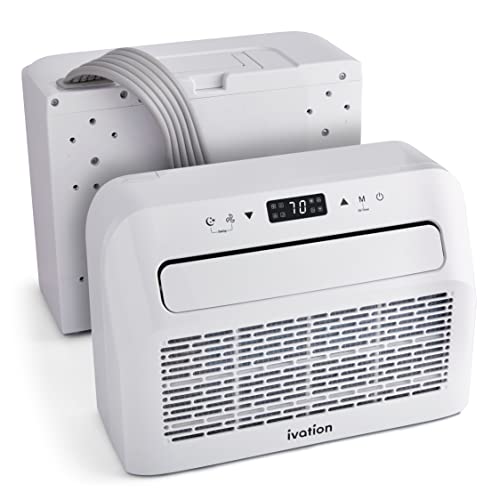
The Ivation 6,500 BTU camper air conditioner is designed for compact RV spaces where space and weight matter. It combines cooling, dehumidification, and ventilation in a single compact unit, making it ideal for smaller motorhomes, caravans, or camper vans. The over‑the‑sill mounting reduces interior footprint while helping minimize noise and vibration thanks to shockproof dampers. A split design keeps the quieter compressor portion outside, while the main unit handles interior cooling. A digital display and simple controls support easy operation, while sleep and timer features enhance comfort for overnight use.
- 6,500 BTU cooling power in a compact package
- Over‑the‑sill installation with saddle mounting
- 3‑in‑1 cooling, dehumidifying, and ventilating modes
- Digital display, timer, and sleep mode for comfortable nights
OutEquip RV Air Conditioner 10,000 BTU

The OutEquipPro 10,000 BTU rooftop RV air conditioner is designed for off‑grid use, powered by your vehicle’s battery. It delivers cooling in about 15 minutes, helping to quickly flatten heat during travel or parked stays. When connected to a 12V battery system, you can expect several hours of cooling depending on battery capacity—8 hours with a 12V 480Ah system or up to 10 hours with a 12V 600Ah setup while parked. Built to withstand harsh weather, it uses UV‑stabilized ABS materials, EPDM foam gasket, and a zinc‑coated condenser for durability in outdoor environments.
- 10,000 BTU cooling for mid‑sized RV spaces
- Battery powered for off‑grid use (12V systems)
- Quick cooling with 15‑minute performance
- Durable construction with weather‑resistant materials
Countrymod 10,000 BTU RV Air Conditioner

The Countrymod 10,000 BTU DC RV air conditioner uses an inverter‑style design to rapidly cool RV interiors while optimizing energy use. Its inverter‑driven compressor adjusts speed to meet demand, conserving power and extending battery life. The unit claims energy efficiency, using about 0.3 kWh per hour—roughly five times more efficient than a standard window unit—giving you longer off‑grid operation. Noise levels sit in the comfortable range of 45–55 decibels, ensuring a quieter experience even during night camping. The system is designed for non‑ducted rooftop installation, making it suitable for many lightweight RVs and trailers.
- Inverter design for efficient, on‑demand cooling
- Energy use around 0.3 kWh per hour
- Ultra‑low noise operation (45–55 dB)
- Non‑ducted rooftop installation
SoftStartRV Soft Start Kit

The SoftStartRV Soft Start Kit is a compact, market‑leading solution designed to reduce startup surge for RV air conditioners and other appliances. The kit is now about 40% smaller to fit low‑profile A/C units, enabling operation on smaller generators or 30‑amp power, and even a single 15‑amp circuit when possible. It offers 100% waterproof construction and market‑leading startup assistance, allowing your A/C, fridge, heater, microwave, and other devices to start more reliably. The kit supports a wide range of systems, including 2200W generators powering up to about 36,000 BTUs, and is compatible with two‑stage compressors and heat pumps for versatile use.
- 40% smaller size for easier installation
- Start multiple appliances on limited power
- 100% waterproof and rugged construction
- Reduces compressor startup surge for longer equipment life
MICRO-AIR EasyStart FLEX 398

The Micro‑Air EasyStart Flex 398 is a versatile soft start kit designed for homes, RVs, and commercial applications up to 6 tons (72,000 BTUs). It provides a controlled, gentle startup, reducing mechanical stress and extending the life of the A/C system. The kit includes an installation kit and is compatible with generators and inverters, delivering a smoother start that can markedly reduce peak power demand. It’s particularly valuable for off‑grid or limited power environments where starting current is a concern. The EasyStart Flex works with 2‑stage compressors and heat pumps, increasing its range of compatibility.
- Supports up to 6 tons (72,000 BTUs) of cooling capacity
- Reduces startup current by up to 75%
- Includes installation kit for ease of setup
- Works with generators and inverters for flexible power sources
Buying Guide
Size And Cooling Capacity For Your Space
Choosing the right BTU is critical for small RVs. Oversizing wastes energy and increases cycling on and off, while undersizing can leave you uncomfortable. For compact spaces like vans or small travel trailers, 6,500–10,000 BTU units are commonly suitable, depending on insulation, sun exposure, and occupant load. Consider selecting an inverter‑driven unit or pairing a 12V battery setup with a soft‑start kit for off‑grid use. If you anticipate hot days for extended periods, a slightly larger unit paired with a soft starter can provide comfort without excessive power draw.
Power Sources And Off‑Grid Viability
RV owners increasingly rely on battery power or generators. Units such as battery‑powered 12V rooftop A/Cs and soft‑start devices offer off‑grid viability, allowing cooling without continuous shore power. Soft start kits reduce initial surge, enabling operation on smaller generators or lower‑amperage circuits. For true off‑grid use, ensure your battery bank, inverter, and alternator support sustained airflow with the chosen AC unit, and verify compatibility between the soft‑start device and your specific model.
Noise, Comfort, And Operational Convenience
Noise levels directly affect comfort on long trips. Many compact RV units advertise noise levels around 40–60 dB, which is noticeably quieter than older rooftop models. Features like sleep modes, timer controls, and app or remote control add convenience for campsites or overnight stays. Soft start technology also contributes to a less jarring startup sound, which can improve overall sleep quality in small living spaces.
Installation And Durability
Non‑ducted rooftop units are easier to install on many small RVs, but roof height, clearance, and weight must be considered. Durable exterior components, weather‑resistant housings, and proper sealing help maintain efficiency and longevity in various climates. When opting for off‑grid options, ensure you have a suitable mounting location, wiring, and battery or generator support, along with proper gaskets and mounting hardware as specified by the manufacturer.
Efficiency, Longevity, And Support
Energy efficiency translates to lower running costs and longer off‑grid sessions. Inverter‑driven compressors adapt output to demand, reducing wasted power. Look for units with durable materials, UV resistance, and solid warranty coverage. For accessories like soft‑start kits, confirm compatibility with your air conditioner model and installation prerequisites. A reputable seller and clear customer support can simplify maintenance or replacements over time.
By weighing these factors—space, power availability, noise tolerance, installation constraints, and long‑term maintenance—you can select a compact RV air conditioner that delivers reliable comfort without driving up energy use or requiring heavy upgrades to your RV electrical system.