Answering the need for quieter, more reliable limited slip operation, these additives are designed to reduce chatter, wear, and heat in differential systems. They are best for drivers who want smoother turning, reduced drivetrain noise, and improved protection for clutch-style limited slip units. The top picks below target common LS units across a range of makes and models, with explanations on who should choose each product and why.
Summary table of selected products:
- ACDelco GM Original Equipment 10-4003 Limited Slip Axle Lubricant Additive – 4 oz
- Lubegard 42851 Limited Slip Supplement – 4 fl. oz.
- Yukon Friction Modifier Additive for Limited Slip/Posi – 4 Ounce Bottle
- Genuine Mopar Fluid 4318060AB Limited Slip Additive – 4 oz. Bottle
- Hapco Products – Limited Slip Additive – 4 oz. (Case of 12)
ACDelco GM Original Equipment Limited Slip Additive

Best for: Owners of GM vehicles or cars with OEM limited-slip setups requiring factory-grade lubrication for longevity. This additive is formulated to reduce differential temperature, prevent rust, and extend clutch and gear life, while lowering friction and noise in the rear axle. It fits multiple GM models including the Cadillac XTS, LaCrosse, SRX, CTS, Chevrolet Caprice, Camaro, and Corvette across various years.
Why chosen: It aligns with GM’s original specifications and is designed to maintain OEM performance in the carrier and differential assembly. The product targets heat reduction and rust prevention, contributing to quieter operation and potentially longer clutch life.
Caution: Only use where GM recommends the limited-slip lubricant additive; avoid mixing with non-compatible fluids in some proprietary LSD setups.
Lubegard 42851 Limited Slip Supplement
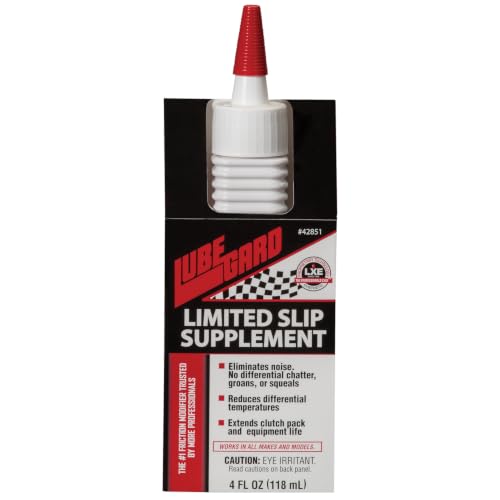
Best for: Broad compatibility across makes and models with limited slip differentials, including Ford, Chrysler, and GM. Suitable for all final drives and posi-traction units requiring enhanced friction control and protection against chatter.
Why chosen: Lubegard’s supplement is widely recognized for reducing differential noises like squeals and groans while inhibiting rust and corrosion. It’s a versatile option when you do not have a vehicle-specific additive requirement.
Limitation: While it covers many applications, verify the product is compatible with your specific LSD configuration and oil type to avoid incompatible formulations.
Yukon Gear & Axle – Friction Modifier Additive

Best for: Any clutch-style limited-slip differential seeking smoother engagement and improved compatibility with mineral or synthetic oils. This additive is designed to work across a range of LS designs and is ideal for mixed-fluid fleets.
Why chosen: The product emphasizes friction modification to improve clutch engagement and overall LS performance without requiring a major system overhaul.
Limitations: If your LSD uses a highly specialized or proprietary friction formulation, confirm compatibility with Yukon’s additive before use.
Genuine Mopar Fluid Limited Slip Additive

Best for: Chrysler, Dodge, and Mopar-equipped vehicles needing factory-grade additive to support limited-slip operation. Ideal for maintaining OEM performance in specific Mopar LS configurations.
Why chosen: This is a genuine OEM additive, intended to align with Mopar factory specifications, ensuring proper lubrication and friction balance for limited-slip systems in compatible models.
Limitation: Availability is most beneficial for vehicles within Mopar or Dodge/Mopar-heritage platforms; confirm your fit before purchase.
Hapco Limited Slip Additive – 4 oz

Best for: Drivers seeking a compact, evenly distributed LS additive with reduced wear and noise in differential systems. Suitable for standard mineral or synthetic oil blends in various vehicles.
Why chosen: Hapco’s additive emphasizes reduced wear and chatter without containing petroleum distillates, which can be preferable for certain fluid formulations and environmental considerations.
Limitation: As with many additives, you should verify that the product is compatible with your differential’s viscosity and oil composition before use.
Buying Guide: How To Choose A Limited Slip Additive
- Vehicle compatibility: Check your vehicle’s owner manual and LSD type (clutch-type, gear-type, or viscous) before selecting an additive. Some brands specify compatibility with GM, Mopar, Ford, or universal use.
- Oil compatibility: Confirm whether the additive is designed for mineral, synthetic, or a specific blend. Mixing incompatible formulations can affect clutch engagement and lubrication quality.
- Noise reduction vs. wear protection: If the primary issue is chatter, some products emphasize friction modification to reduce noise. For wear protection, focus on additives that claim extreme pressure and wear resistance.
- OEM vs aftermarket: OEM-approved additives (like Mopar or ACDelco when applicable) may provide smoother integration with factory LSD designs, while universal supplements offer broader compatibility.
- Quantity and case considerations: For fleet or multiple vehicles, consider case packs (e.g., Hapco case of 12) to ensure cost efficiency and availability.
- Application frequency: Some LS additives are intended for one-time addition during fluid changes, while others can be used as top-offs. Follow the manufacturer’s guidelines for dosage and intervals.
Frequently Asked Questions
- What is a limited slip additive used for?
- Can I use any additive in any LSD?
- Is OEM additive better than universal options?
- Will using an additive void my warranty?
- How do I know which additive to choose?
- Should I replace the differential fluid when adding additive?
It improves friction balance inside the differential, reduces chatter and noise, and helps protect gears and clutches in limited-slip configurations.
No. Compatibility depends on your vehicle, LSD type, and oil. Always verify compatibility with your owner’s manual or manufacturer recommendations.
OEM additives are designed for specific factory LSD designs and may provide smoother integration for those systems, while universal options offer broader applicability but may require more careful matching.
Using a manufacturer-recommended additive in the appropriate application is generally acceptable; consult your dealer or warranty terms if you have concerns about coverage.
Consider your vehicle’s LSD type, oil type, and whether you prioritize noise reduction, wear protection, or compatibility with a broad range of models.
Most guides recommend performing a differential fluid change when changing additives, to ensure proper lubrication and additive distribution. Follow the product’s instructions.