Choosing the right in-tank fuel pump is essential when performing an LS swap. The goal is steady, reliable fuel delivery that works with your engine’s regulators and wiring without pulling excessive current or triggering EFI issues. The options below focus on in-tank units designed for GM TBI to LS swaps and LS-based engines, with regulators, seals, and filters included where applicable. They cover a range of flows, pressures, and installation specifics to fit street builds, drift cars, and performance upgrades. Use the buying guide to decide which kit best fits your vehicle, fuel system, and goals.
| Product | Brand | Notable Feature | Includes |
|---|---|---|---|
| OSIAS In-Tank LS Swap Pump | OSIAS | 58 PSI regulator included; compatible with many LS engines | Filter, 58 PSI regulator, Tank seal, Strainer |
| QFS OEM In-Tank LS Swap Pump Kit | HFP | Reliable, OEM-EP381 replacement with regulator for LS swaps | Regulator, Tank seal, Fuel filter, Strainer |
| Lanotech LS/LT Swap Pump With Sending Unit | Lanotech | 58 PSI; includes sending unit; eliminates splices | Sending unit |
| QFS 255LPH In-Tank Pump Kit | HFP | High flow in-tank pump with 58 PSI regulator; 10 micron filter | 6AN fittings, 10 micron filter |
| QFS-F201-AN8 Quantum LS Regulator Kit | HFP | Fixed 58 PSI regulator for LS swaps with 8AN fittings | Regulator, 8AN fittings |
OSIAS In-Tank LS Swap Pump

OSIAS offers an in-tank EFI fuel pump designed for GM TBI to LS swap installations. It is crafted to avoid overloading factory wiring and to cooperate with OE pressure regulators. The unit claims broad LS compatibility, including LM7, LR4, L33, LC9, LQ4, LQ9, and LS1-style motors. It acts as a direct drop-in replacement for AC Delco EP381 hangers, simplifying installation. The system is rated at 58 PSI, with flow figures around 160–164 LPH depending on pressure, and current draw varying from approximately 4.6 to 5.1 amps at different pressures. Includes a regulator and tank components to seal and filter the supply.
This pump is positioned for those who want a complete, plug-and-play solution that pairs with the C5 Corvette regulator or similar rail regulators. It aims to deliver consistent flow at modest loads, supporting typical daily driving and moderate performance upgrades without demanding wiring rewrites or regulator changes.
QFS OEM In-Tank LS Swap Pump Kit

The QFS OEM kit is designed as a robust, OEM EP381 replacement for GM models, tailored to LS swap use. It emphasizes reliability and longevity, with flow and durability tested to support extended service, even beyond 100,000 miles. The package includes a fuel pressure regulator, tank seal, fuel filter, and strainer, ensuring a cohesive solution that aligns with high-performance expectations. The design uses upgraded polymers and components to reduce wear and maintain steady current draw, reducing the risk of regulator overload in ethanol blends commonly used in modern fuels.
Ideal for builders prioritizing a proven, comprehensive solution that minimizes surprises during install and long-term operation. The kit’s regulator and seals are tuned to maintain stable pressure, while the included seals and filters help protect injector rails from contaminants and high-ethanol fuel exposure.
Lanotech LS Swap Pump With Sending Unit

Lanotech’s kit targets 73-91 Chevy/GMC trucks with LS or LT swap configurations. It includes a complete sending unit and an in-tank pump designed for a 58 PSI output, aligning with common LS fuel system expectations. The inclusion of a proper sending unit reduces splicing and wiring errors inside the fuel tank, contributing to more reliable operation over time. This option is especially attractive for Square Body applications and other classic swaps where a durable, integrated pickup and pump assembly matters for longevity and ease of installation.
The unit emphasizes compatibility with EFI LS or LT engines while avoiding the complexity of custom wiring. By providing a ready-to-install sending unit, it supports consistent fuel delivery and reduces installation time for enthusiasts focusing on reliability and a clean installation in older chassis.
QFS 255LPH In-Tank Pump Kit

This kit targets high-demand LS swap applications with a higher flow rate of 255 LPH and a 58 PSI target pressure. It includes a 10-micron fuel filter to help prevent debris from reaching the injectors and features 6AN adapter fittings to simplify plumbing to LS rails. The design is suitable for several LS-based engines and is intended for turbocharged or high-performance setups that require stable flow without excessive heat in the pump. It emphasizes durability and consistent performance across varied ethanol fuels.
For builders seeking a balance between higher fuel delivery and reliable filtration, this option provides the means to maintain rail pressure while protecting the system from contaminants that can degrade injector life. It pairs well with external regulators and upgraded rails while keeping the installation within the standard in-tank pump footprint.
QFS-F201-AN8 Quantum LS Regulator Kit
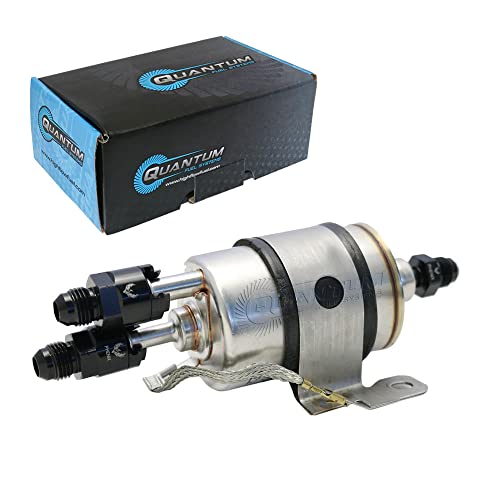
The Quantum F201 regulator kit provides a fixed 58 PSI fuel pressure regulator designed for LS swaps using returnless fuel rails. It’s particularly relevant when you select an in-tank pump that feeds into a returnless system or when you want precise, stable pressure for modern LS engines. Includes 8AN fittings to facilitate straightforward plumbing and integration with LS-based fuel rails. This kit helps ensure consistent injector rail pressure and reduces the risk of fuel system surge or regulator flutter during high-demand driving scenarios.
In combination with an in-tank pump, this regulator kit helps maintain predictable performance across a range of engine configurations. It’s suited for builds that prioritize stable pressure with minimal regulator adjustment, especially in vehicles leveraging returnless fuel rails or moderate-to-high-performance modifications.
Buying Guide
Choosing the right in-tank fuel pump for an LS swap involves balancing compatibility, flow, pressure, and installation considerations. Below are essential factors to weigh and how they relate to the options above.
- Fuel system type and engine compatibility: LS engines vary in fuel requirements. In-tank pumps with 58 PSI regulators are common for LS-based systems, but some turbo or high-performance builds may benefit from higher flow pumps (e.g., 255 LPH) while maintaining safe pressure ranges.
- Pressure and flow balance: A pump’s flow rate should match engine demand at idle and under boost. Higher-flow units require regulators capable of maintaining stable rail pressure to prevent injector issues or rich/lean conditions.
- Regulators and filtration: Many packages include a regulator, a filter, and a tank seal. Ensuring these components are compatible with your fuel rails and fuel type (including ethanol content) helps prevent leaks, overheating, and regulator flutter.
- Installation complexity: In-tank pumps with a complete sending unit simplify installation and reduce wiring splices. Kits that include tank seals and hangers reduce the risk of leaks and misalignment inside the tank.
- Durability and materials: Look for pumps with robust housings and seals rated for ethanol fuels. Reputable brands often use Viton seals and corrosion-resistant housings to extend service life.
- Compatibility with existing fuel rails: Some LS swaps use specific regulator locations (rail-mounted or regulator-integrated). Ensure the pump and regulator choice aligns with your fuel rail design and return routing.
- Vehicle use and environment: Daily drivers require reliable, low-noise operation and consistent voltage draw. Performance builds may tolerate higher current draws but need solid wiring and fuse protection.
- Warranty and support: Choose brands with clear warranty terms and accessible customer support, especially for long-term reliability in LS swaps that push the fuel system harder than stock.
Practical tips for selecting a kit
- For a straightforward, plug-and-play install on classic GM trucks, OSIAS and Lanotech kits offering complete sending units and seals are convenient choices.
- When upgrading for higher horsepower or forced induction, consider the 255LPH options paired with a compatible regulator to avoid fuel starvation at peak demand.
- If your swap uses a returnless rail, a regulator kit like the Quantum LS regulator can help stabilize pressure and improve injector performance.
- Always verify compatibility with your vehicle year, model, and engine family to ensure the fuel pump aligns with the factory hanger and fuel line routing.
- Carefully inspect the included seals and gaskets; replacing worn seals during installation reduces the risk of leaks and vapor lock.