Gas siphon pumps simplify transferring fuels and other liquids without mouth suction. They come in manual, electric, and battery-powered designs, suitable for gasoline, diesel, water, and more across garages, farms, boats, and workshops. The five picks below emphasize fast flow, backflow prevention, and portability, helping homeowners, DIYers, and professionals handle common transfer tasks efficiently.
Below is a quick table of the five top picks, followed by detailed sections for each product with key features and usage notes. Use the buying guide at the end to compare options and choose the best pump for your needs.
| Product | Brand | Best For | Key Feature |
|---|---|---|---|
| H-veenjor Gas Siphon Pump Kit | H-veenjor | Emergency fueling and quick transfers | 15mm hoses; built-in one-way valve |
| Yetofro Gas Siphon Pump Kit | Yetofro | Portable, general-use liquid transfers | 15mm hoses; source height requirement |
| BOLCOWE Electric Fuel Transfer Pump | BOLCOWE | Battery-powered versatility | 2 power options; 34-inch hose |
| Luigi’s Siphon Pump | Luigi’s | Home DIY and garden use | Approx. 10 L/min flow; durable PE |
| GasTapper Fuel Transfer Pump | GasTapper | High-flow pumping | 3.5 GPM; 9 ft hose; brass tip weight |
H-veenjor Gas Siphon Pump Kit

The H-veenjor siphon pump is designed for speed and simplicity. The hoses use a 15mm diameter, enabling faster transfer of fuels and liquids. It includes a built-in one-way stop valve to prevent backflow, which helps control spills and improve efficiency. Weighing about 290 grams, the device is highly portable for on-site gas transfers, emergencies, or travel. A directional arrow on the body indicates the liquid flow, aiding first-time users.
- 15mm hoses for faster pumping
- Built-in one-way valve prevents backflow
- Lightweight (≈290 g) with clear flow direction
- Multi-use for gasoline, oil, diesel, water (not edible oil)
Usage is straightforward: connect the PVC hoses, insert the upper hose into the source tank, and give a few squeezes to start the flow. Place the lower hose into the receiver container, and the liquid will transfer automatically. For best results, ensure the source liquid is higher than the receiver. This pump suits quick transfers around garages, boats, or campsites where power may be limited.
Yetofro Gas Siphon Pump Kit

Yetofro’s siphon pump emphasizes portability and simple operation. It uses 15mm hoses with a built-in one-way valve to prevent backflow. The unit weighs roughly 300 grams and includes clear guidance: insert the upper hose into the fuel tank, squeeze to start, then place the lower hose into the container for gravity-assisted flow. A key note is that the source fluid should be at least 10 inches higher than the receiver for optimal siphoning.
- 15mm hoses; built-in one-way valve
- Portable, lightweight design (~300 g)
- Source must be ≥10 inches higher than receiver
- Multi-use for gasoline, oil, diesel, water; not for drinking water, salt water, edible oil
Additional notes indicate the pump is suitable for equipment without anti-theft filter nets, such as brush cutters, lawn mowers, hedge trimmers, snow blowers, motorcycles, and more. It is ideal for quick fuel transfers around yards and small engines where simple manual operation is preferred.
BOLCOWE Electric Fuel Transfer Pump

The BOLCOWE electric transfer pump offers versatile power options and a practical design for portable fuel or water transfer. It can run on two D-cell batteries or six AA batteries (batteries not included), providing flexibility for camping trips, job sites, or emergency readiness. A 34-inch hose allows access to hard-to-reach tanks and engines. The unit supports fast, efficient transfer and uses non-toxic, odorless materials suitable for handling various fluids. A flow-control nozzle helps you regulate the rate to reduce spills.
- Dual power options: 2 D-cell or 6 AA batteries
- 34-inch flexible hose for extended reach
- Adjustable flow control nozzle
- Non-toxic, odorless materials suitable for fuels and non-potable water
The design emphasizes quick transfer while enabling control to prevent leaks during use. It is well suited for moving fuel from cans or tanks to engines, boats, or vehicles where a corded pump is impractical.
Luigi’s Siphon Pump

Luigi’s Siphon Pump provides a straightforward manual siphon with solid performance. It supports a flow rate of about 10 liters per minute, enabling faster transfers than traditional scooping methods. Constructed from durable PE plastic, this pump is designed to withstand a range of liquids, including chemicals, solvents, and fuels like biodiesel and gasoline. Its simple design makes it a practical choice for homeowners, DIY enthusiasts, gardeners, campers, mechanics, and industrial users alike.
- Flow rate: ~10 L/min
- Durable PE construction
- Versatile use for chemicals, solvents, fuels
Luigi’s siphon pump offers a reliable alternative to mouth siphoning, enabling one-handed operation and cleaner transfers for household tasks, hobby projects, and light-duty equipment maintenance.
GasTapper Fuel Transfer Pump
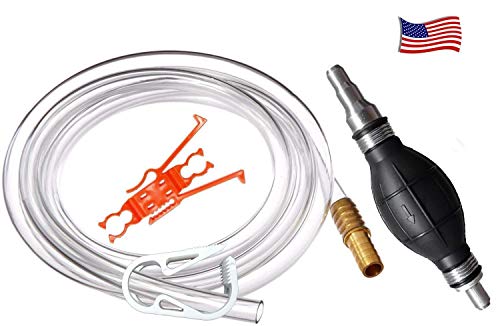
GasTapper’s fuel transfer pump focuses on high-flow performance and practical reach. It moves up to 3.5 gallons per minute, making it suitable for motorbikes, snowblowers, boats, lawnmowers, and even fish tanks. A 9-foot hose offers ample reach for stubborn fills or draining tasks. The kit includes a brass nozzle tip that can act as a weight to sink the hose or act as a probe, helping you access hard-to-reach containers. The design emphasizes portability and ease of use in varied settings.
- Flow up to 3.5 GPM
- 9-foot siphon hose
- Brass tip weight for sinking or probing
- Portable, multi-use design for fuels and water
GasTapper’s pump is well-suited for quick transfers around sheds, garages, boats, and outdoor gear, offering robust performance without requiring electricity at the point of use.
Buying Guide
Key purchase considerations
Selecting the right gas siphon pump involves weighing how you will use it, what liquids you’ll move, and where you’ll operate. Consider the transfer environment, whether you need manual operation or a battery-powered option, and how much effort you’re willing to invest in pumping. Hose diameter and length influence flow speed and reach, while material compatibility and backflow prevention affect safety and durability. Look for a built-in valve or stopper to minimize spills, and verify that the pump’s components tolerate the fluids you plan to move.
Flow rate matters more for larger tanks or frequent transfers. Manual pumps typically deliver slower, steady flow, while electric pumps can move liquids faster but require batteries or power. The source-to-receiver height difference is another critical factor; many siphon pumps perform best when the source is higher than the destination. If you’ll be moving gasoline or diesel, choose equipment with chemical-resistant materials and a sturdy construction to withstand exposure and long-term use.
Practical considerations and scenarios
- Portability: For field use, prioritize light weight and compact form factors with simple assembly.
- Compatibility: Confirm the pump handles gasoline, diesel, water, or other liquids you intend to transfer. Avoid edible oils or drinking water unless specified.
- Safety and spill prevention: Favor models with built-in valves to prevent backflow and reduce spills.
- Reach and versatility: Longer hoses and adjustable nozzles help you access tanks, drums, or reservoirs in cramped spaces.
- Power source: Choose manual if power access is limited; opt for battery-powered if you need speed and convenience.
- Maintenance: Look for pumps with simple disassembly for cleaning and durability against fuel exposure.
Comparative quick tips
For quick, occasional transfers around the home or garage, a lightweight manual siphon with a built-in backflow valve is often enough. If you frequently transfer fuels from larger containers or on boats and in remote locations, a battery-powered pump with a long hose and reliable nozzle control provides greater efficiency and flexibility. Always assess the height difference between source and receiver, and select a model whose materials are compatible with the liquids you use most often.