Choosing the right front-facing car seat means prioritizing safety, long-term usability, and easier daily use. This guide highlights five top options that are well-suited for families seeking reliable forward-facing seating with extended use as children grow. The picks cover convertible and 3-in-1 designs, offering options for snug fit, legroom, and easy adjustments. Best for busy parents who want flexible seats that last through multiple stages of a child’s car-seat journey.
| Product | Best For |
|---|---|
| Graco Extend2Fit Gotham | Rear-facing extension and forward-facing use; longer rear-facing for safety |
| Graco Tranzitions 3-in-1 (Eloise) | Growing child, from forward-facing harness to boosters |
| Safety 1st Ellaris 3-in-1 (Smokey Haze) | Slim design with three modes for space-conscious families |
| Safety 1st Grow and Go All-in-One | Single seat through three stages, easy cleanup |
| Graco Extend2Fit Redmond | Legroom-focused rear-to-forward growth with Extend2Fit panel |
Graco Extend2Fit Gotham Convertible Car Seat

Type: Convertible to rear-facing and forward-facing use. Features an Extend2Fit 4-position adjustable extension panel for up to 5″ of extra legroom, allowing longer safe rear-facing use. Suitable as rear-facing up to 50 lb and forward-facing up to 65 lb. Best for families prioritizing extra legroom and extended rear-facing time.
Best for: Parents who want to maximize rear-facing duration and provide more legroom for growing toddlers. This seat is chosen for its clear extension panel and straightforward adjustment system.
Limitation: The extended legroom feature adds depth to the seat, which may affect fit in smaller vehicles. Always verify vehicle compatibility and seating space before purchase.
Graco Tranzitions 3-in-1 Harness Booster

This 3-in-1 seat grows from forward-facing harness (26.5-65 lb) to highback booster (40-100 lb) to backless booster (40-100 lb). It includes No-Rethread Simply Safe Adjust Harness System for coordinated headrest and harness adjustments. Best for: Families seeking a long-use forward-facing option that transitions smoothly into boosters without rethreading.
Limitation: The lightweight design prioritizes portability; verify secure fit in your vehicle’s booster configurations for optimal safety fit.
Safety 1st Ellaris 3-in-1 Convertible Car Seat (Smokey Haze)

Three modes in one slim, space-saving design: rear-facing infant (5-30 lb), rear-facing toddler (30-40 lb), and forward-facing (30-65 lb). Features a 5-position headrest and adjustable harness for comfort as your child grows. Best for: Families needing a compact seat that fits well in smaller vehicles or three-across layouts.
Limitation: Slim fit reduces interior padding in some areas; consider your child’s comfort and vehicle space when evaluating for longer trips.
Safety 1st Grand 2-in-1 Booster Car Seat
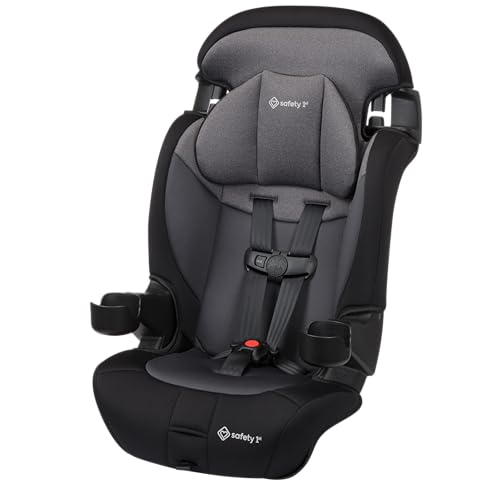
2-in-1 design that converts from forward-facing with harness (40–65 lb) to belt-positioning booster (40–100 lb). Slim seat design supports three-across layouts in many vehicles. Best for: Families needing a versatile booster that can stay in a car when a harnessed seat is no longer required. Limitation: Does not cover rear-facing use beyond infant stage, so it’s not a full all-in-one solution for younger infants.
Buying Guide
Key considerations when selecting a front-facing car seat:
- Weight and height ranges: Ensure the seat accommodates your child’s current size and grows with them to avoid early product replacement.
- Rear-facing compatibility: Some seats offer extended rear-facing options, which is linked to safer early travel. Consider models with Extend2Fit or similar panels if you plan longer rear-facing use.
- Installation and adjustment: Look for Easy or Quick Fit harness systems, clear indicators, and simple headrest adjustments to minimize installation time and errors.
- Seat footprint and vehicle space: Slim designs fit better in smaller cars or with three-across seating, but verify interior dimensions and seat padding for comfort.
- Cleaning and maintenance: Removable, machine-washable seat pads and dishwasher-safe components simplify upkeep for busy households.
How to choose between models
- Best for extended rear-facing: Seats with Extend2Fit panels offer extra legroom and longer rear-facing use, which some families prioritize for safety benefits.
- Best for multi-stage use: A 3-in-1 seat covers infant to booster stages, reducing future purchases.
- Best for space-constrained vehicles: Slim-profile seats help maximize room in the back seat while still meeting safety standards.
- Best for easy adjustments: Models with integrated harness and headrest adjustments reduce complexity during daily transitions.
FAQ
What is the recommended age or weight for transitioning to a front-facing seat?
Transition typically occurs when a child outgrows the rear-facing weight or height limits, often around age 2-4, but follow the seat’s specific guidelines.
Why is rear-facing for longer considered safer?
Rear-facing positions distribute crash forces toward the back of the seat and protect a child’s head and neck better in a collision.
Can I use a front-facing seat in three-across configurations?
Yes, several slim-seat designs are built to fit three-across in many vehicles; always test fit and check vehicle manual recommendations.
What maintenance helps extend seat life?
Regularly remove and wash the seat pad, clean buckles and harness points, and inspect for wear or damage before each trip.
Are 3-in-1 seats as safe as dedicated booster seats?
3-in-1 seats are designed to meet safety standards for multiple stages; ensure proper use in each mode and verify fit for your child’s size and vehicle.