Preparing for a cross-country cycling trip or a long-distance camping run means protecting your bikes and keeping them secure on the road. The right bike rack can make loading, unloading, and long drives smoother, while offering stability, weather protection, and theft deterrence. This guide focuses on hitch- and rack-mounted options that accommodate multiple bikes and heavier e-bikes, with an emphasis on long-distance travel. The five selected products balance capacity, durability, and ease of use, so you can choose a rack that matches your vehicle and biking needs. Review their standout features, plus a practical buying guide to help you decide.
| Product | Brand | Key Benefit |
|---|---|---|
| Thule Range RV Bike Rack | Thule | Stable four-bike capacity with anti-sway cradles and quick ratcheting straps |
| MAXXHAUL 4-Bike Hitch Rack | MAXXHAUL | Heavy-duty carrier with swing-down access and straightforward installation |
| XtraEzzy 2-Inch Ebike Rack | XtraEzzy | Versatile two-bike rack for fat tires and electric bikes, with high weight capacity |
| Soarify 4-Bike Hitch Rack | Soarify | High capacity, foldable design with tilt release for rear cargo access |
| Agreatby 2-Bike Hitch Rack With Ramp | Agreatby | Fully assembled, rollable rack with ramp for easy loading of heavy bikes |
Thule Range RV Bike Rack

The Thule Range is designed for RVs and travel trailers, specializing in hanging hitch mounting for up to four bikes. It emphasizes stability with anti-sway cradles and rapid securing via ratcheting straps, helping to minimize bike movement on long drives. This rack is suitable when rear vehicle clearance is a priority and you need a solution that accommodates multiple bikes without compromising accessibility. Installation is straightforward, and it pairs well with larger trailers or motorhomes used for extended trips.
Key considerations include compatibility with 2″ receivers and ensuring your bikes’ tires and frames fit the cradle spacing. The Range offers solid protection against road debris and weather intrusion when used with proper care. For long-distance travel, the combination of capacity and dependable stability can reduce the need for multiple short trips to adjust bike positions during a journey.
MAXXHAUL 4-Bike Hitch Rack
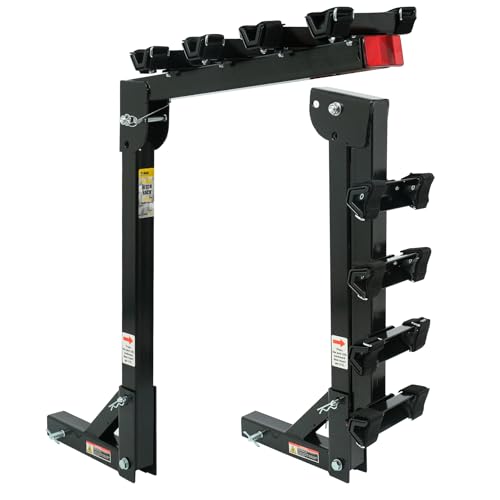
The MAXXHAUL 70210 is a robust four-bike hitch rack designed for SUVs, trucks, vans, and sedans with hitch receivers. It supports a total capacity around 150 lbs and includes a hitch pin for secure mounting along with a swing-down option that provides convenient access to the rear area of the vehicle. The installation is described as quick and simple, making it suitable for users who frequently travel with multiple bicycles. Adjustable hold-down straps help secure various frame sizes while mitigating bike movement during highway miles.
When evaluating for long trips, consider tire width and wheelbase compatibility for all bikes in your fleet. The swing-down feature is particularly advantageous for loading gear or retrieving items from the back of the vehicle without removing the rack. This rack is well-suited for families or cycling groups that consistently travel with several bikes in tow.
XtraEzzy 2-Inch Ebike Rack

The XtraEzzy hitch-mount ebike rack is a versatile 2-in-1 carrier designed for heavy-duty use with a 2″ receiver. It supports up to 300 lbs across two bikes and is compatible with wide fat tires up to about 5.5 inches, making it a practical choice for electric and fat-tire bikes. This rack’s dual-function design enables easy conversion between cargo carrier and bike rack, which is beneficial for travelers who need extra storage space and periodic bike transport. It’s built for vehicles that regularly haul powerful e-bikes on long trips.
Practical considerations include ensuring your vehicle’s hitch and payload rating align with the rack’s maximum load, plus checking wheelbase and tire width limits. The secure arms and anti-sway features help minimize bike movement on highways, contributing to safer long-distance travel with valuable cargo in tow.
Soarify 4-Bike Hitch Rack

The Soarify hitch rack supports up to four bikes with a substantial 143 lbs total weight capacity. Constructed from heavy-duty steel, it is engineered to endure long trips and varied weather conditions. The design emphasizes practicality, with a foldable structure that stores compactly when not in use and a tilt feature that eases rear cargo access for loading gear or bags. It’s compatible with 2″ receivers and accommodates a mix of bike types, including road, mountain, and kid bikes.
For long-distance use, the focus is on securing straps and frame protection. Soarify emphasizes padded or soft-contact points to minimize frame scratches and damage during transit. The rack’s balance between capacity, durability, and ease of handling makes it a strong option for travelers who frequently transport multiple bikes on road trips.
Agreatby 2-Bike Hitch Rack With Ramp

The Agreatby hitch rack arrives fully assembled and is designed for easy mobility, featuring built-in wheels and a long ramp to simplify loading heavy e-bikes or mountain bikes. It accommodates two bikes with a combined weight up to 200 lbs (100 lbs per bike) and fits 2″ receivers. The rack’s soft-padded, adjustable arms provide secure support for various frame styles, while the ramp and rolling capability enhance loading efficiency on long trips. This option suits travelers who value quick setup and straightforward loading for frequent interstate journeys.
Buying Guide
Key purchase considerations
When selecting a bike rack for long-distance travel, the vehicle and travel plans determine most choices. Consider the receiver size (2″ is common), total bike capacity, and whether you need to carry heavy e-bikes or fat-tire bikes. Stability features such as anti-sway cradles, padded straps, and secure locking mechanisms prevent damage and reduce movement during highway miles. Also assess whether you require a swing-down, tilt, or folding design for road clearance and trunk access when parked or during quick stops.
Rack types and practical trade-offs
Hitch-mounted racks are popular for long trips due to ease of loading and high capacity, but they can impact rear visibility and fuel economy. Hanging racks minimize frame contact but may offer less maneuverability on tight turns. Platform racks distribute weight more evenly and sometimes provide better wheel protection, yet they can be bulkier to install. For multiple bikes, prioritize anti-sway features and robust wheel straps. If you frequently need rear cargo space, a swing-down or tilt feature can be a decisive advantage.
Weight capacity and bike compatibility
Match the rack’s total weight rating with the combined weight of your bikes, including any accessories. E-bikes and fat-tire bikes are heavier, so ensure the rack and your vehicle’s hitch can support the load. Check tire width compatibility (some racks handle up to 5 inches or more) and wheelbase constraints to prevent bikes from touching each other or the vehicle. Consider long trips where installation reliability and ease of use are crucial, and plan for occasional maintenance on moving parts and locking mechanisms.
Security and weather resilience
Security features such as integrated locks and locking arms can deter theft at stops. Look for rust-resistant coatings and corrosion protection for extended outdoor exposure. Weatherproof materials or protective padding reduce wear from sun, rain, and road grit. If you park in remote areas overnight, a rack with theft-deterrent options and sturdy construction becomes more valuable for peace of mind during long hauls.
Installation, maintenance, and budget
Some racks arrive ready to use, while others require assembly. Fully integrated designs and those with ramps or wheels save setup time but may cost more. Regular maintenance—tightening straps, inspecting frame contact points, and greasing moving parts—extends rack life on long trips. Budget considerations include capacity needs, compatibility with your vehicle, and any specialized features (anti-sway, locks, storage options). Balancing value with reliability is key for predictable long-distance travel with bikes in tow.