Fog on helmet visors can turn a ride into a risky challenge, especially in humid mornings or sudden temperature changes. Anti-fog sprays and visor films offer quick, practical solutions for riders who demand clear, reliable visibility. This guide highlights five proven options that blend performance, ease of use, and value. It covers sprays that create protective coatings and a proven film system, helping motorcyclists decide which approach best fits their riding style, climate, and visor material. Consider durability, application, and compatibility when choosing your anti-fog solution.
| Product | Brand | Type | Key Feature |
|---|---|---|---|
| Muc Off Anti-Fog Treatment | Muc-Off | Spray | Transparent micro-thin coating; long-lasting anti-mist |
| Howies Anti-Fog Visor Spray | Howies | Spray | Optical-grade, streak-free; multi-sport use |
| Motorex Helmet Care Spray | Motorex | Spray | Cleaning foam; helmet surface protection |
| Z Clear Anti Fog Spray | Z Clear | Spray | Anti-fog 24–72 hours; anti-static |
| Kingdder Helmet Visor Anti Fog Film | Kingdder | Film | 10-pack; nano-coating; scratch-resistant |
Muc Off Anti-Fog Treatment

Muc Off Premium Anti-Fog Treatment uses an anti-mist formula that forms a transparent, micro-thin coating on visor or goggles to prevent fogging. The coating is designed for long-lasting clarity and works across helmet visors, goggles, and glasses. To apply, spray lightly and wipe evenly with a microfiber cloth, then allow it to dry. Once set, the treated surface resists fogging in cold mornings, humid rides, or rapid temperature changes. This makes it a practical option for riders who rely on clear visibility on every ride.
Howies Anti-Fog Visor Spray
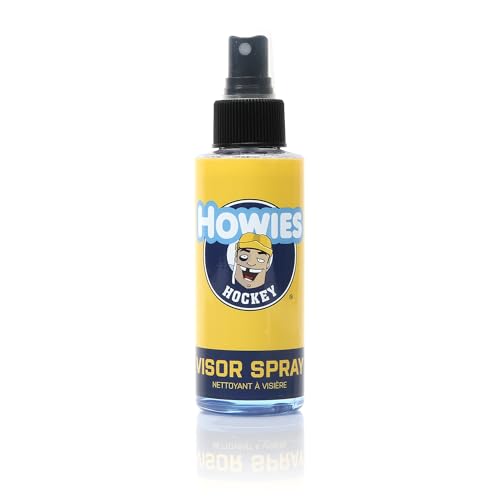
Howies Anti-Fog Visor Spray delivers fog-free performance with an optical-grade formula that is streak-free, non-toxic, and safe on plastic and treated lenses. It stops fogging on helmets visors, shields, goggles, and more, helping you stay sharp during shifts or rides. The spray suits multiple sports and settings, including hockey, football, airsoft, ski goggles, snorkeling masks, and motorcycle helmets. For best results, shake well and wipe with a lint-free cloth; let it air dry and lightly polish. Reapply as needed for continued clarity.
Motorex Helmet Care Spray

Motorex Helmet Care Spray provides cleaning foam and care for helmet shells and inner padding while helping to protect helmet surfaces. It effectively removes dirt fast and supports ongoing helmet maintenance. While not a dedicated anti-fog spray, keeping the visor and surrounding surfaces clean reduces fogging indirectly by preventing film buildup and oil that can worsen fogging in damp conditions. This makes it a useful companion product for riders who want overall helmet hygiene alongside anti-fog solutions.
Z Clear Anti Fog Spray For Glasses

Z Clear Anti Fog Spray is designed to keep glasses and goggles clear for longer. The formula provides anti-fog protection for 24–72 hours and includes anti-static properties to repel dust and particles. It doubles as a lens cleaner and can be reapplied as needed for continued fog resistance, offering a long-lasting crystal-clear view. While marketed for eyewear, many riders use it on motorcycle helmets visors and sport goggles to maintain visibility in adverse weather conditions.
Kingdder Helmet Visor Anti Fog Film
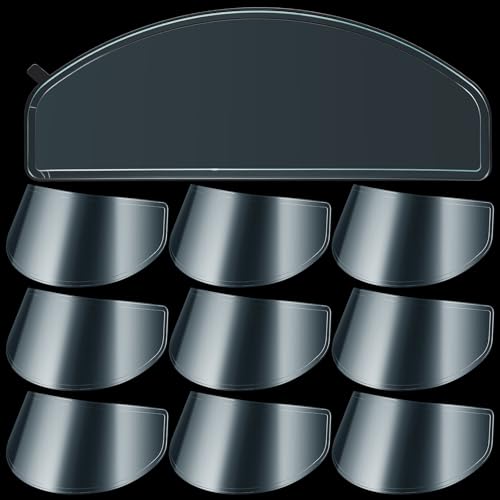
Kingdder’s 10-pack helmet visor anti-fog films provide a long-lasting anti-fog effect using nano-coating on PET film. The films are designed to resist fogging in cold or humid conditions and offer clear, scratch-resistant vision. They come as an easy-install kit with alignment stickers, a squeegee card, and a microfiber cleaning cloth. Simple surface preparation aids adhesion, and the kit notes it is not applicable to curved surfaces. These films appeal to riders seeking a low-maintenance, long-lasting alternative to sprays, especially on flat- or slightly curved visors.
Buying Guide
Choosing the right anti-fog solution for motorcycle visors depends on how you ride, your climate, and your visor material. Here are key purchase considerations and practical comparisons to help you decide between sprays and films, and how to pair them with your riding routine.
- Spray vs film: Sprays form a coating on the surface and are quick to apply, making them ideal for frequent riders or changing conditions. Films provide a long-lasting barrier but require careful installation and are not always suitable for very curved visors. Consider your visor shape and curvature when selecting a film.
- Visor material compatibility: Most visors are polycarbonate or similar plastics. Check that the product is safe for plastic lenses and does not leave residues that could cloud or scratch the surface over time.
- Longevity and reapplication: Sprays typically require periodic reapplication, which can be convenient for variable weather. Films often offer longer intervals between reapplications but may need careful removal and re-installation if you switch visors.
- Safety and ingredients: Look for non-toxic formulations and those that are easy to wipe off. If you wear contact lenses or have sensitive skin, choose products labeled as safe for skin contact and treated lenses.
- Ease of use and maintenance: Sprays should be simple to apply with a microfiber cloth and quick-dry time. Films require clean surfaces and precise alignment; keep a microfiber cloth and installation aids on hand for best results.
- Climate considerations: In cold, humid, or rainy environments, a longer-lasting solution can reduce disruption during rides. In mild climates, a spray that’s easy to reapply may be sufficient.
- Multi-use potential: Some products work on glasses, goggles, ski masks, and other eyewear. If you wear different protective gear, a versatile option can simplify your maintenance kit.
- Value and packaging: Packs with multiple films or larger bottle sizes can provide better long-term value for frequent riders. Compare cost per use rather than upfront price alone.
In summary, sprays offer immediate, flexible fog protection and are great for riders who encounter changing conditions. Films provide a longer-lasting solution with a strong barrier against fog, though they demand careful installation and compatibility checks with your visor. For best results, maintain clean visors, store spare application cloths, and follow each product’s specific instructions. Pairing a spray with a cleaning routine or using a film on a spare visor can optimize visibility across seasons and riding styles.