If you’re shopping for a 6-inch drop hitch, you’re looking to achieve a level connection between your tow vehicle and trailer. This guide highlights five solid options that balance strength, versatility, and value for common 2-inch receivers. Best for utility trailers, boats, campers, and light-to-medium duty hauling, these hitches vary in drop height, tongue weight capacity, and compatibility. The following picks help you choose by load needs, vehicle type, and whether you need adjustable or fixed-height performance.
Summary table of selected products
- TYT 6-Inch Drop Trailer Hitch Ball Mount with 2″ Ball (2″ Receiver) — 7,500 lbs GTW / 750 lbs TW; 6″ drop or 4-7/8″ rise; 5/8″ pin hole.
- CURT Manufacturing 45070 Class III 1″ Ball Mount — 7,500 lbs GTW (6,000 lbs in rise); 6″ drop / 4″ rise; 1″ ball hole.
- OMT Trailer Hitch Ball Mount, 2″ Receiver, 6″ Drop — 8,000 lbs GTW; reversible drop/rise; standard 2″ receiver.
- Rhino USA Adjustable Trailer Hitch (2″ Receiver) — 8,000 lbs GTW; 6″ drop or 4-3/4″ rise; 2-5/16″ ball option.
- TOPSHINE Trailer Hitch Ball Mount Fits 2″ Receiver — 7,500 lbs GTW; 6″ drop; pre-mounted ball; corrosion-resistant.
TYT 6-Inch Drop Trailer Hitch Ball Mount

Best for: Utility trailers and light boat trailers that need a dependable, simple drop. This TYT model offers a straightforward 6-inch drop with a reversible 4-7/8-inch rise option for level towing. It fits 2-inch receivers and includes a 5/8-inch hitch pin hole and a 1-inch ball hole for common trailer balls, making it a solid all-around choice for standard tow setups.
Why selected: Combines a high 7,500 lbs gross trailer weight rating with a practical reversible design, enabling quick height adjustments without multiple parts. The 2-inch receiver compatibility matches many consumer trailers and RVs.
Caution: For tall trailers or heavier loads, verify that your vehicle’s tongue weight capacity aligns with 750 lbs TW. Do not exceed gross weights specified by your hitch and vehicle manufacturer.
CURT 45070 Class III 1″ Ball Mount
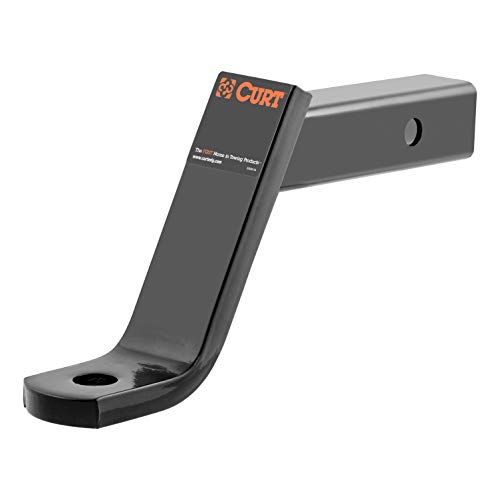
Best for: Towing a variety of trailers with a 2-inch receiver, including utility and small equipment trailers. CURT’s mount is built for dependable strength with a 6-inch drop and a 4-inch rise to promote level towing.
Why selected: It uses high-strength steel and supports up to 7,500 lbs GTW and 750 lbs TW in the drop position. A standard 2×2 shank ensures broad compatibility with many 2-inch receivers.
Caution: In rise position, GTW lowers to 6,000 lbs and TW to 600 lbs. Ensure your trailer’s weight distribution stays within these limits.
OMT Trailer Hitch Ball Mount, 2″ Receiver, 6″ Drop

Best for: SUVs and trucks that require strong towing with a high GTW and versatile drop/rise options. This mount is suitable for boats, RVs, campers, and utility trailers that need level towing across varied loads.
Why selected: It offers an 8,000 lb GTW rating and is SAE J684 tested for safety. The reversible 6″ drop or 4-3/4″ rise makes it adaptable to different trailer heights and road conditions.
Caution: Verify the trailer ball size and shank compatibility; the standard 2″ receiver may require a compatible ball size for your trailer’s coupler.
Rhino USA Adjustable Trailer Hitch

Best for: Buyers who want strong performance with a lifetime replacement program and a USA-based purchase experience. The dual-ball design supports different trailer coupler sizes while maintaining strong towing capability.
Why selected: It delivers an 8,000 lbs GTW rating with a reversible 2-5/16″ ball option (rated for higher GTW up to 12,500 lbs for certain setups), which is useful for heavier trailers and mixed loads.
Caution: For long-haul or heavy-duty operations, confirm the higher 12,500 lbs variation is applicable to your exact configuration and install.
TOPSHINE Trailer Hitch Ball Mount

Best for: Quick-to-use 2″ receivers with a ready-to-tow setup, especially for users who value corrosion resistance and a pre-mounted ball for faster hitching.
Why selected: Pre-mounted 2″ tow ball and a 6″ drop help achieve level towing with minimal setup. Chrome-plated ball improves rust resistance for longer outdoor use.
Caution: Ensure the ball size matches your trailer’s coupler; this model emphasizes a ready-to-use 2″ ball but may not include additional ball sizes.]
Buying Guide
What should I check before choosing a 6-inch drop hitch?
- Receiver size: Confirm your vehicle’s hitch opening is 2 inches, which is the standard for these products.
- GTW and TW: Match hitch capacity to your trailer’s gross weight and tongue weight. Stay within the lower of hitch or vehicle specifications.
- Drop vs. rise: Decide whether you need a fixed 6-inch drop or a reversible drop/rise design to align trailer height with your tow vehicle.
- Ball size options: Some models include 2″ or 2-5/16″ balls; ensure compatibility with your trailer’s coupler.
- Construction and finish: Look for high-strength steel and corrosion-resistant finishes for longevity in outdoor use.
- Security: Consider anti-theft features such as locks or heavy-duty pins if you trailer-hitch will be left unattended.
Practical questions buyers frequently ask
- What does “drop” mean on a hitch? It indicates how far the ball mount sits below the receiver, helping level trailers with different vehicle heights.
- Can I tow a heavier trailer with a 6″ drop hitch? Only if the hitch and vehicle both support the higher GTW and TW; never exceed the lowest rated component.
- Is a reversible drop/rise hitch worth it? Yes, if you trailer heights vary or you tow different trailers, providing flexibility without changing mounts.
- Do I need a safety chain guide with a 6″ drop hitch? It’s a good practice with heavy trailers to ensure safe hooking and prevent hitch disengagement.
- Should I buy a separate hitch ball? If your trailer uses a different ball size, a separate ball or a dual-ball mount can simplify switching.
- Are aluminum hitches better than steel? Aluminum is lighter and corrosion-resistant but may not be as strong as high-grade steel for extreme loads; compare GTW ratings carefully.
Note: The information above is based on the listed features for each product. Always follow the vehicle and hitch manufacturer’s installation and safety guidelines when towing.