Choosing a reliable 48V e-bike battery is essential for consistent power, safety, and range. 48V packs power most mid- to high-wattage bikes, supporting 200W to 1500W motors while delivering steady performance across countless miles. Key factors include the Battery Management System (BMS), cycle life, charging speed, and the physical fit within your bike’s frame. The following five options are among the top 48V batteries available on Amazon, selected for capacity, safety features, and installability. Each option emphasizes durable cells, protective circuitry, and practical connectors to fit common e-bike builds.
| Product | Brand | Capacity (Ah) | Voltage (V) | Notable Features |
|---|---|---|---|---|
| UL-Certified UPP Battery | DICHOU | 20 | 48 | 960Wh, XT60 discharge, BMS protection, USB port, LED indicator, 800–1000 cycles |
| H HAILONG 48V 20Ah Battery | H HAILONG | 20 | 48 | 54.6V 2A charger, 30A BMS, XT60/T-Plug, leak-proof/sealed, ~1000+ cycles |
| BtrPower 48V 20Ah LiFePO4 | BtrPower | 20 | 48 | 40A BMS, 3A charger, XT90/XT60 options, robust LiFePO4 chemistry, multiple mounting |
| VATOSO 48V Battery | VATOSO | 20 | 48 | 30A BMS, IP65 sealed, 54.6V 3A charger, USB port, XT60 |
| LFPNERYE Hailong 48V Battery | LFPNERYE | 20 | 48 | 30A BMS, 3A fast charger, XT60, two keys, compatible with 0–1500W motors |
UL-Certified UPP 48V Battery 20Ah

The UL-certified UPP 48V 20Ah battery offers a 960Wh energy capacity designed for 1500W, 750W, or 1000W motors. It uses a 5-pin battery base with XT60 discharge, and includes a robust BMS to protect against overcharge, over-discharge, short circuits, and over-current. A LED indicator shows charging status, and a USB port supports emergency device charging. Built to endure, the cells deliver an estimated 800–1000 charge cycles, with an expected life of up to five years under typical use. The design supports downtube mounting and straightforward integration with common hub motor configurations.
H Hailong 48V 20Ah Battery

This Hailong battery is built 48V at 20Ah, designed for 200–1000W motors, and ships with a 54.6V 2A charger. It uses XT60 and T-Plug connectors and is protected by a 30A BMS to balance cells and protect against faults. The unit emphasizes a compact form factor with a weight around 3.8 kg, making it suitable for urban commutes and longer rides. It is designed for longevity, with a sealant construction to resist leakage and weather exposure, enabling reliable performance in diverse riding conditions.
BtrPower 48V 20Ah LiFePO4 Battery

The BtrPower 48V 20Ah LiFePO4 pack emphasizes safety with a built-in 40A BMS and a 3A fast charger. The LiFePO4 chemistry provides stable voltage and strong cycle life, typically surpassing 1000 cycles. The package includes essential connectors (XT90, XT60) and mounting hardware, making installation straightforward for a wide range of bikes and scooters. The design accommodates 48V controllers handling 250–1000W and is compatible with an array of e-bike configurations, including larger frame sizes and heavier riders seeking dependable long-range capability.
VATOSO 48V Battery Pack

The VATOSO 48V battery line offers 20Ah configurations across similar voltage, with a 30A BMS for stable operation and protection against overcharge and short circuits. The pack is IP65-rated for weather resistance and ships with a 54.6V 3A fast charger. A USB port adds emergency charging capability for phones or accessories. The battery base uses XT60 connectors, and the unit is described as compact and easy to install on a wide range of e-bikes and scooters, supporting 200–1000W motor setups.
LFPNERYE Hailong 48V Battery (20Ah)
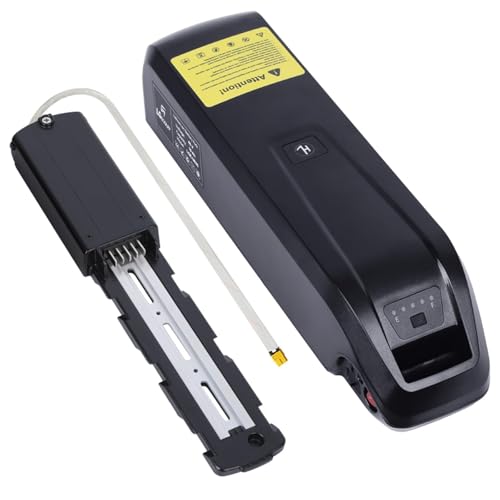
LFPNERYE’s Hailong 48V battery is listed for 20Ah with compatibility across 0–1500W motors, supporting 54.6V charging and a 30A BMS. The unit is designed as a multi-chemistry, high-safety option with a leak-proof seal and a PV-insulative outer layer. Included accessories typically cover mounting hardware, keys, vibration damping, and a user manual. The design emphasizes durability for outdoor use, with a focus on long cycle life and reliable deep-discharge performance, making it suitable for daily commuting or weekend rides on varied terrain.
Buying Guide
- Voltage and motor compatibility: Most 48V packs are designed for a wide range of motors from 200W to 1000W or higher. Confirm your controller’s voltage and the motor’s recommended wattage before upgrading, to avoid performance or safety issues.
- Capacity and range: Higher Ah ratings deliver longer ranges between charges. A 20Ah 48V battery commonly provides more miles than smaller capacity packs at similar weight. Consider your typical ride length and terrain when selecting capacity.
- BMS specifications: A robust BMS handles overcharge, over-discharge, short circuits, and temperature protection. BMS current ratings (e.g., 30A vs 40A) influence peak discharge support and safety. For hilly or high-wattage setups, a higher BMS rating offers margin and protection.
- Charger compatibility and speed: Chargers are rated by voltage and amperage. A 54.6V charger is standard for 48V systems; faster chargers (e.g., 3A) shorten top-up time but may generate more heat. Check that your charger matches the battery and controller requirements.
- Connectors and installation: Common connectors include XT60, XT90, and T-Plug. Ensure the battery’s connector type matches your controller and charging equipment. Also verify physical dimensions and mounting hardware to fit your frame and downtube.
- Durability and weather sealing: Look for IP ratings or weather-sealed construction if you ride in rain or dusty environments. A rugged shell and secure mounting reduce vibration and wear on the battery and frame.
- Charging cycle life and warranty: Real-world cycle life varies by chemistry and usage. LiFePO4 tends to offer long life with stable safety characteristics, while Li-ion variants deliver higher energy density. Review warranty terms and service options before purchase.
- Safety certifications: UL or equivalent safety certifications indicate adherence to energy and safety standards. If certification is highlighted, it can be a meaningful indicator of quality and protection.
- Weight and handling: Lighter packs ease installation and removal, especially on city bikes or commuters needing quick swaps. Heavier packs may be used on cargo or mountain bikes where power is a priority.
- Intended use and warranty considerations: For daily commuting, prioritize reliability, easy replacement, and a strong warranty. For weekend adventures, emphasize rugged construction, higher BMS support, and protective seals.
When selecting a 48V battery, balance your priorities—range, weight, durability, and cost—to fit your riding style. The five options highlighted here provide a spectrum of capacities and protection levels, all designed to integrate with common e-bike motors and controllers. For riders seeking dependable daily performance or extended weekend excursions, these packs offer practical, install-friendly power solutions with a focus on safety and longevity.