Answering the common buyer question: which 12-bolt rear end cover offers the best protection, cooling, and longevity for classic GM trucks and full-size SUVs? The top picks below cover steel, aluminum, and performance girdles to suit different needs. The best for daily drivers may be steel with corrosion resistance; the best for race-inspired tweaks uses aluminum for heat dissipation; and a girdle offers extra cap support for heavy use. Use the quick-reference table to compare key details at a glance.
| Product | Material | Best For | Notes |
|---|---|---|---|
| CFR Performance Steel Rear Diff Cover – 1962-1982 Chevy/GMC | Steel | Classic daily drivers and stock 12-bolt rear ends | Black finish; corrosion resistance; fits 8-3/4″ ring gear |
| TA Performance Aluminum Rearend Girdle Cover TA-1810 | Aluminum | Performance builds needing bearing cap support | 356 aluminum; includes fill/drain ports |
| Moser Engineering 7110 Aluminum Cover | Aluminum | Lightweight, heat-shedding upgrades | Designed for 12-bolt GM rear ends |
| Bruce & Shark 12 Bolt Black Aluminum Rear End Cover | Aluminum | Direct replacement with factory style look | Fits a range of 1962-1982 GM models |
| CFR Performance Chrome Steel/Aluminum 12-Bolt Cover | Aluminum/Chrome Finish | Show-ready builds needing chrome sheen | Chrome finish; compatible with 8.875″ ring gear |
CFR Performance Steel Rear Diff Cover

Material: Steel with black finish. Best for: daily-driven 12-bolt GM rear ends used in 1962–1982 Chevy/GMC trucks and full-size Blazer/Jimmy models with 8-3/4″ ring gear. Why selected: durable steel construction provides corrosion resistance and a factory-style appearance. Limitation: heavier than aluminum options, which may affect unsprung weight slightly.
TA Performance Aluminum Rearend Girdle Cover TA-1810

Material: 356 aircraft-grade aluminum; heat treated to T6. Best for: performance builds needing additional bearing-cap support. Why selected: includes fill and drain ports for servicing; features two load bolts with swivel feet for stability. Limitation: aluminum girdles may require precise fitment to avoid interference with casing and bolts.
Moser Engineering 7110 Aluminum Cover

Material: Aluminum. Best for: GM 12-bolt rear ends requiring weight reduction and heat dissipation. Why selected: Moser is known for performance-oriented differential components. Limitation: aluminum options can be pricier than steel equivalents and may require careful torque specifications during installation.
Bruce & Shark 12 Bolt Aluminum Cover
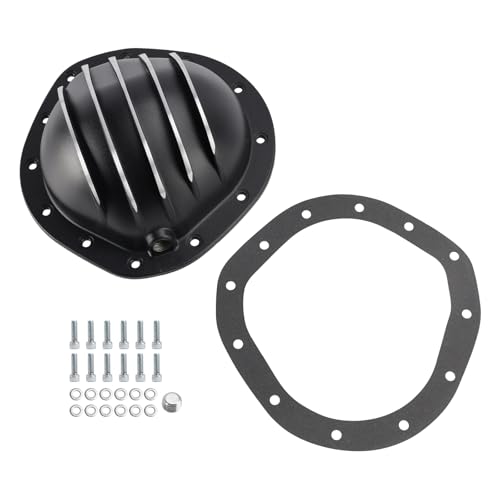
Material: Aluminum with black finish. Best for: GM 1/2 ton 1962–1982 models and Blazer/Jimmy variants. Why selected: precise fit for the listed ranges; offers a tasteful factory-like look. Limitation: user should confirm exact year/model before ordering to ensure compatibility.
CFR Performance Chrome 12-Bolt Cover

Material: Chrome-finished steel; 12-bolt compatibility with 8.875″ ring gear. Best for: show-quality builds and chrome-loving restorations. Why selected: chrome finish provides a classic, polished appearance. Limitation: chrome coating can require extra care to maintain luster and prevent pitting over time.
Buying Guide: Key Purchase Considerations
What should I consider before buying a 12-bolt rear end cover?
Choose based on material, weight, and cooling needs. Steel covers offer rugged durability and lower cost; aluminum covers shed heat and reduce weight for performance builds. If you’re boosting rear-end strength, consider a girdle-style cover for bearing-cap support. Check compatibility with your ring gear size (commonly 8-3/4″ or 8.875″) and model year range.
Does finish matter for a show car or restored truck?
Yes. Chrome or polished aluminum finishes provide a standout look on show vehicles. Satin or black finishes offer a more factory-correct appearance and corrosion protection. Finish choice should align with overall vehicle styling and maintenance plans.
How important are servicing ports and fasteners?
Girdles and some aluminum covers include fill and drain ports, improving maintenance access. Look for designs with robust bearing-cap support and reliable gasket interfaces. Confirm bolt pattern compatibility with your rear end housing.
What installation considerations are typical?
Ensure correct torque specs on bolts, gasket seating, and proper torque pattern. Aluminum components may require care to avoid galling when bolted to steel housings. Inspect ring gear compatibility and ensure the cover does not interfere with the cross pin or differential internals.
Which option balances price and performance?
Steel covers generally balance cost and durability for daily driving. Aluminum options provide performance benefits in heat management and weight reduction. Girdle-style or reinforced options are preferable for high-stress use or heavy-duty builds.
What about compatibility with 1962–1982 GM models?
Most listed options target 12-bolt GM rear ends from this era, including Chevy and GMC light trucks and Blazer/Jimmy variants. Always verify year and model against the product description before purchase.
FAQ
- What ring gear size do these covers fit? Most are designed for 8-3/4″ or 8.875″ ring gears; confirm your vehicle’s exact size before ordering.
- Is aluminum better than steel for performance? Aluminum offers weight reduction and better heat dissipation, but steel tends to be stronger for heavy use and lower cost.
- Do covers affect differential cooling? Yes, they can improve cooling by providing better surface area and, in some designs, improved oil flow pathways.
- Do I need a girdle for a standard build? A girdle is beneficial if you plan extra bearing-cap support or torque handling; for stock use, a standard cover may be sufficient.
- Can I mix finishes (black, chrome, aluminum) on the same rear end? Yes, but ensure compatibility with mounting hardware and aesthetic consistency across components.
- How do I confirm fitment for my truck? Check the model year, vehicle type (truck vs. Blazer/Jimmy), and ring gear size; consult the product description and installation notes.