The right 383 short block crate engine delivers strong horsepower, reliable torque, and straightforward installation for GM small-block projects. This guide highlights five top choices, clarifying who each is best for, and why they stand out. Whether you’re swapping into a classic Camaro, Nova, Chevelle, or a non-GM chassis, these options cover carbureted and fuel-injected setups, dressed and base configurations, to help you choose the best fit for your build and budget.
Buyer note: When selecting a 383 short block, consider engine dressing (carbureted vs. fuel-injected), cylinder head material, cam timing, and crank/rod specs. The following table summarizes the featured products to compare core differences at a glance.
| Product | Type | Horsepower | Fuel System | ||
|---|---|---|---|---|---|
| BluePrint GM 383 c.i. Deluxe Dressed | 383, carbureted | 436 HP | Carb | Deluxe dressed, high torque | Hot street builds |
| BluePrint GM 383 c.i. Base Dressed | 383, fuel injected | 436 HP | Fuel Injected | Base dressed, modern fuel system | Clean install with EFI |
| BluePrint GM 383 c.i. Base Dressed | 383, carbureted | 436 HP | Carb | Budget-friendly carb setup | Classic carburetor vibe |
| BLUEPRINT BP38318CTF1 SBC 383 CID | 383, base dressed | 383 CID | — | SBC base dressed | Simple swap |
| Ford 427 Crate Engine | 427, high power | 535 HP | — | High-performance Ford swap | When Ford power is desired |
BluePrint GM Small Block 383 c.i. Deluxe Dressed – Carbureted
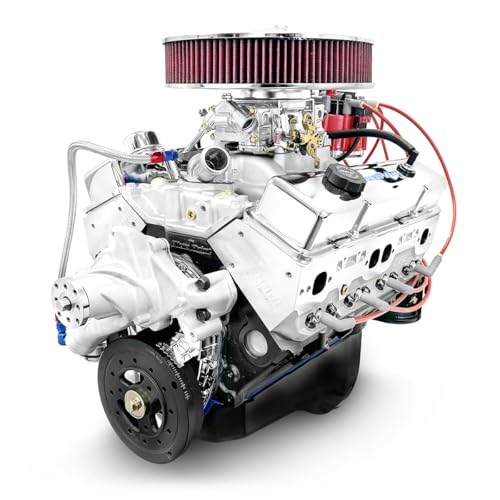
Best for high-torque street builds, this 383 c.i. engine produces 436 HP and 443 ft-lbs of torque. It features aluminum cylinder heads, a 10:1 compression ratio, and a hydraulic roller cam with generous lift and duration, delivering strong throttle response and broad power across the rpm range. The crankshaft is a 3.750″ stroke with 5.700″ rods for a robust bottom end, making it well-suited for enthusiasts who want a ready-to-run, carbureted setup with classic small-block sound and performance.
Who it’s best for: buyers seeking maximum torque and traditional carbureted character in a premium dressed package. Why selected: it combines a proven BluePrint build with accessible carbureted tuning and strong overall performance. Caution: The carbureted system may require precise fuel delivery and annual tuning to maintain peak power under varying temps and altitudes.
BluePrint GM Small Block 383 c.i. 436 HP Base Dressed – Fuel Injected

This variant pairs the 436 HP output with a fuel-injected setup, offering cleaner startup, easier tuning, and consistent power delivery across temperatures. Aluminum cylinder heads reduce weight, while the 10:1 compression ratio keeps efficiency in mind for street-driven classics. The included dressed components simplify installation, letting you focus on fitment, fuel management, and accessory compatibility.
Who it’s best for: buyers wanting EFI reliability and straightforward integration into modernized small-block builds. Why selected: EFI adds modern driveability without sacrificing big-block-like performance. Caution: EFI systems may require compatible harnesses and tuning software for optimal results in non-standard chassis.
BluePrint GM Small Block 383 c.i. Base Dressed – Carbureted

This base dressed 383 c.i. engine offers a carbureted configuration similar to the Deluxe variant but at a more approachable price point. It retains the same 436 HP and 443 ft-lbs torque profile with the same crank and rod geometry, ensuring robust acceleration and strong mid-range power. It’s a solid pick for traditional carbureted builds and classic performance vibes.
Who it’s best for: buyers prioritizing a budget-friendly carbureted swap with strong power potential. Why selected: cost-effective option while still providing the core 383 performance. Caution: Carbureted setups may demand more manual tuning and endurance-air adjustments on hot days or during long cruises.
BLUEPRINT ENGINES BP38318CTF1 SBC 383 CID

Blueprint’s BP38318CTF1 presents a straightforward SBC base dressed crate engine in 383 CID. It focuses on practicality and swap-friendly installation for GM small-block enthusiasts who want a clean, predictable power package. This option is typically aligned with simpler carbureted or EFI upgrades, making it a versatile foundation for a wide range of builds.
Who it’s best for: buyers seeking a dependable base 383 crate engine with easy integration into classic and modern chassis. Why selected: compact, no-frills package designed for straightforward swaps and predictable performance. Caution: Specific mounting and accessory fitments can vary by application; verify compatibility with your vehicle’s mounting points and exhaust routes before ordering.
Ford Crate Engine, 427 Cubic Inch
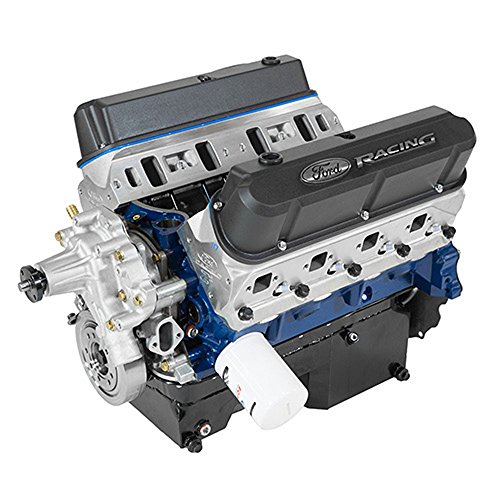
For readers exploring non-GM swaps, the Ford 427 crate engine offers a high-power alternative with a strong torque curve. It’s engineered for drive-ability and durability, delivering 535 horsepower at 5600 rpm and 545 lb-ft of torque at 4500 rpm. This option is best for Ford- or mixed-brand builds where maximum performance is the priority and chassis mounting considerations have been addressed.
Who it’s best for: buyers pursuing a high-power Ford-based crate engine for performance-oriented swaps. Why selected: demonstrates how crate engines in this size class can translate into substantial horsepower. Caution: Not a direct GM small-block swap; expect different mounting and accessory alignment requirements.
Buying Guide: Key Purchase Considerations
- Dress and fuel system: Decide between carbureted or fuel-injected setups. EFI often ensures easier tuning and reliability in varying conditions, while carbureted options can deliver classic character and sometimes lower initial cost.
- Power and torque targets: Match horsepower and torque with your vehicle’s weight, gearing, and intended use (street, weekend cruiser, or autocross).
- Engine dress and components: Aluminum heads reduce weight; steel crank and specific rod lengths influence durability and rev limits. Confirm compatibility with your existing chassis and exhaust routing.
- Installation readiness: Some options are sold as “deluxe dressed” or “base dressed.” Deluxe packages include more components, potentially simplifying installation and reducing additional purchases.
- Maintenance and tune: EFI setups may require harness and ECU considerations. Carbureted builds often need ongoing tuning for fuel delivery and air-fuel mixtures.
- Compatibility with vehicle: Verify engine block dimensions, motor mounts, oil pan clearance, and accessory drive alignment for your specific GM model or non-GM swap.
FAQ for 383 Short Block Crate Engines
- What is a 383 short block crate engine?
A 383 short block crate engine is a V8 engine with a displacement near 383 cubic inches, designed for swap into classic GM small-block platforms and similar chassis. It typically includes the engine block, rotating assembly, and heads or dressed components depending on the package.
- Should I choose carbureted or fuel-injected for a 383?
Carbureted engines offer classic aesthetics and potential cost savings, while fuel-injected options provide easier tuning, better cold-start reliability, and consistent performance across climates.
- What does “base dressed” mean?
“Base dressed” indicates a crate engine with essential components and ready for installation, but without some dressing parts like carburetors or fuel injection, exhaust headers, or certain accessories included in higher packages.
- Is a 383 suitable for a daily driver?
Yes, a 383 can be configured for daily driving with EFI, good low-to-mid range torque, and reliable fuel delivery. Ensure cooling, ignition, and accessory systems are matched to keep drivability steady.
- Can I swap a 383 crate engine into a non-GM chassis?
Yes, with proper mounts, exhaust routing, and accessory compatibility. Consult mounting kits and adapter options for your specific chassis and confirm clearance for the oil pan and dampers.
- What maintenance considerations should I expect with a 383 crate engine?
Routine maintenance includes oil changes, timing checks, and regular inspection of hoses and belts. For EFI engines, periodic ECU tuning or software updates may be necessary to optimize performance.