Answering the common question “which 5W-30 non-synthetic oil should I buy?” this guide highlights top non-synthetic and synthetic-blend options that fit most American cars with 4- or 6-cylinder engines. It focuses on high-mileage needs, long-term protection, and simple maintenance. The top picks are best for drivers seeking reliable wear protection, reduced leaks, and easier start-up in cooler weather. The summary table below helps you compare the five highlighted products at a glance.
| Product | Best For | Key Benefit |
|---|---|---|
| Valvoline MaxLife High Mileage 5W-30 Synthetic Blend (5 Quart) | Older engines with 75k+ miles | Seal conditioners; better wear and sludge defense |
| Pennzoil 5W-30 Motor Oil (1 Quart) | Daily drivers needing clean engines | Keeps engines clean; proven wear protection |
| Pennzoil High Mileage 5W-30 (1 Quart) | Vehicles over 75k miles | Stops leaks; reduces oil consumption |
| Castrol GTX High Mileage 5W-30 Synthetic Blend (5 Quarts) | High-mileage engines needing sludge control | Better sludge protection; reduced leaks |
| Valvoline High Mileage 150K with MaxLife Plus (5 Quart) | Older engines with severe wear | Premium seal conditioners; anti-wear protection |
Valvoline MaxLife High Mileage 5W-30 Synthetic Blend Motor Oil
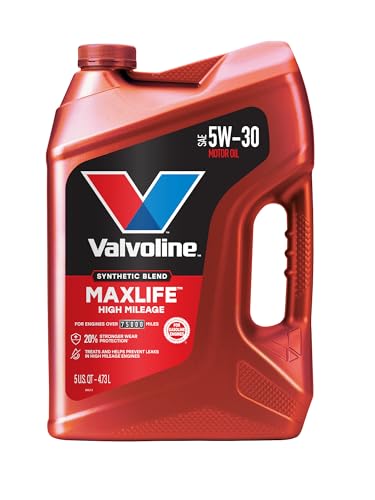
Best for engines with 75,000 miles or more. This synthetic blend includes seal conditioners to help prevent leaks and reduce oil consumption. It delivers 20% better wear protection and 15% better sludge defense than industry standards. Extra detergents guard against friction, corrosion, and deposits to keep high-mileage engines clean. Choose this if you want added protection for aging seals and reduced risk of leaks; avoid if you require a full synthetic formulation with longer intervals in extreme conditions.
Pennzoil 5W-30 Motor Oil, 1 Quart
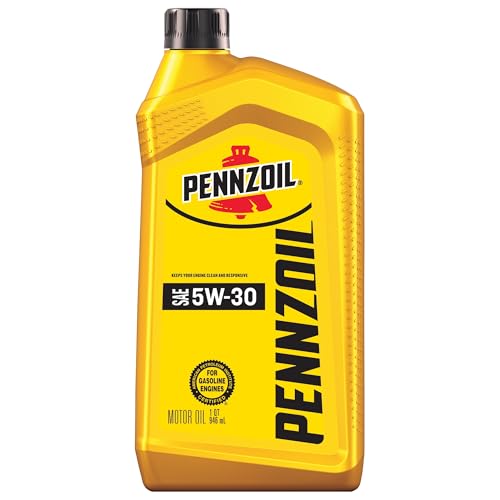
Best for everyday drivers seeking clean engines and reliable wear protection. This 5W-30 oil is formulated to keep engines clean and responsive. It provides proven wear protection in standardized tests and helps prevent dirt and contaminants from forming performance-robbing deposits. Use this when you want a balance of clean performance and straightforward protection; it may be less targeted toward high-mileage seal conditioning compared to dedicated high-mileage blends.
Pennzoil High Mileage 5W-30 Motor Oil, 1 Quart

Best for vehicles with more than 75,000 miles. This synthetic-blend high-mileage formula helps stop leaks and reduces oil consumption in older engines. It also helps prevent sludge and damaging deposits. Choose this if your car has significant mileage and you want proven high-mileage protection; consider a non-high-mileage blend if your engine is newer and you don’t face leaks yet.
Castrol GTX High Mileage 5W-30 Synthetic Blend Motor Oil

Best for high-mileage engines needing strong sludge control and leak prevention. Castrol GTX High Mileage uses Phosphorus Replacement Technology and advanced dispersants to fight sludge buildup and protect emission systems. It offers strong wear protection and reduced burn-off. Choose this if sludge control is a priority and you want robust deposits protection; avoid if you require full synthetic only for extended drain intervals in extreme conditions.
Valvoline High Mileage 150K with MaxLife Plus Technology

Best for older engines requiring premium seal conditioning. This oil blends MaxLife Plus Technology with premium seal conditioners to help prevent leaks and reduce oil consumption. It includes an anti-wear moly additive that coats metallic parts to reduce friction. Choose this for engines around 150,000 miles or when you need enhanced leakage protection; a potential limitation is higher price and availability in some regions.
Buying Guide
What should I consider when choosing 5W-30 oil for a non-synthetic option?
Identify engine mileage, leak history, and maintenance schedule. High-mileage or leak-prone engines benefit from seal conditioners and additives designed to reduce oil consumption. For standard daily drivers, a non-synthetic or synthetic-blend option with proven wear protection may suffice.
Is a synthetic blend better than a pure non-synthetic oil for my car?
Synthetic blends offer better protection in extreme temperatures and under heavy loads while remaining affordable. They also often include detergents and seal conditioners that help prevent leaks in older engines. If your primary concern is high-mileage performance, blends can be a balanced choice.
How important are seal conditioners and detergents?
Seal conditioners help prevent leaks in aging gaskets and seals. Detergents control sludge and deposits that can clog oil passages and reduce engine efficiency. For high-mileage engines, these additives can extend life and improve reliability.
How do I determine the right oil change interval?
Follow the vehicle manufacturer’s interval recommendations as a baseline. In high-mileage engines or harsh operating conditions, shorter intervals may be prudent. Look for oils with detergents and pour-point specs that suit your climate and driving style.
What should I avoid when buying 5W-30 oil?
Avoid oils with limited seal conditioner content for high-mileage engines if leaks are a concern. Also avoid choosing a full synthetic oil if you are specifically aiming for a non-synthetic option or if your manual calls for a different viscosity under certain temperatures.
Maintenance tips with 5W-30 oil
Check oil level monthly and after long trips. Inspect for leaks around seals, gaskets, and the oil filter. Use the correct filter size and ensure proper oil drain and fill procedures to maximize protection and minimize consumption.
FAQ
- Is 5W-30 oil suitable for all climates? It performs well in cold starts and moderate temperatures; verify viscosity recommendations for extreme heat or cold in your owner’s manual.
- Can I mix different brands of 5W-30 oil? Mixing is generally not recommended, as each oil has unique additives that may not interact well. If you must top up, use the same viscosity and a compatible additive profile.
- What’s the difference between synthetic blend and full synthetic? Synthetic blends mix conventional oil with synthetic base stock for cost efficiency and improved performance; full synthetic offers higher protection and stability but at a higher price.
- Do high-mileage oils guarantee leak reduction? They can help reduce leaks when combined with proper maintenance, but seals may still require replacement for a long-term fix.
- How often should I change oil with these oils? Follow manufacturer guidance, typically every 3,000–5,000 miles for conventional blends, and up to 7,500–10,000 miles for some synthetic blends when approved by the vehicle maker.