Answering the question for drivers seeking 185/65R14 tires, this guide highlights five solid choices across all-season and winter categories. Each option is matched to common vehicle types and driving needs, helping you pick the right tire for wet roads, light snow, fuel efficiency, or a quieter ride. The following selections are best for budget-conscious daily drivers, compact cars, and small SUVs seeking dependable performance without breaking the bank.
| Product | Category | Best For |
|---|---|---|
| Aplus Comfort HP Touring 185/65R14 | All-Season Touring | Balanced year-round grip and longevity |
| Summit Ultramax A/S 2.0 185/65R14 | All-Season | Quiet ride and stable handling |
| Westlake Foray RP218 185/65R14 | All-Season | Comfortable daily commuting with decent warranty |
| Firestone Winterforce 2 Studdable 185/65R14 | Winter/Snow | Grip in cold, snowy conditions and slush |
| Prinx HiCITY HH2 185/65R14 | All-Season | Stability and low road-noise |
Aplus Comfort HP Touring 185/65R14

The Aplus Comfort HP Touring combines a modern all-season tread with a flexible rubber compound designed for longer wear. Its lateral grooves and sipes aid water evacuation, improving wet traction and hydroplaning resistance. Best for drivers who want a reliable everyday tire with a longer lifespan on a budget.
- Best for: Year-round driving on dry and wet surfaces.
- Why selected: Strong wear resistance and water-management features.
- Caution: Wet performance may vary in extreme hydroplaning conditions compared with premium brands.
Summit Ultramax A/S 2.0 185/65R14

The Summit Ultramax A/S 2.0 emphasizes all-season grip with enhanced stability and a quiet, comfortable ride. This option is well-suited for drivers seeking a smooth daily drive with dependable rain performance and reduced cabin noise.
- Best for: Daily commuting with emphasis on quiet operation.
- Why selected: Balanced performance across seasons with comfort in mind.
- Caution: Some wear patterns may vary with aggressive driving styles.
Westlake Foray RP218 185/65R14

The Westlake Foray RP218 is designed for passenger cars, sedans, CUVs, and SUVs with an all-season tread pattern. It comes with a mileage warranty claim and aims to deliver balanced performance in dry, wet, and light snow conditions, making it a versatile daily tire.
- Best for: General all-season use on a variety of vehicle types.
- Why selected: Flexible design suitable for mixed climates and road conditions.
- Caution: May not match premium brands in extreme weather testing.
Firestone Winterforce 2 Studdable 185/65R14
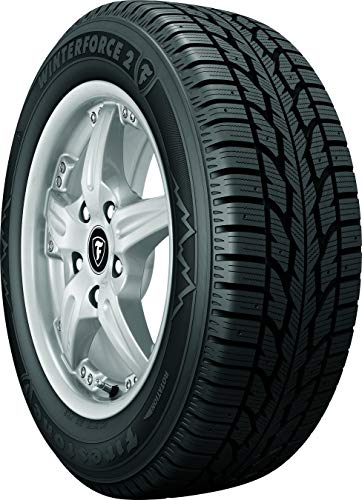
The Firestone Winterforce 2 Studdable is built for winter performance and traction, including the option to stud for extreme snow and ice conditions. It emphasizes winter grip and long-lasting performance through cold-season use, fitting for drivers in regions with significant snowfall.
- Best for: Winter driving with snow, ice, and slush concerns.
- Why selected: Strong winter grip with studdable capability for severe conditions.
- Caution: Studded wear can be noisier on dry pavement and may not be legal in all areas year-round.
Prinx HiCITY HH2 185/65R14

The Prinx HiCITY HH2 features a continuous rib design to improve stability and reduce abnormal wear. Its unique pattern with siping enhances wet and snow traction and braking, while a Pattern Noise Simulation technology aims to reduce road noise for a quieter ride.
- Best for: Everyday driving with a focus on stability and low noise.
- Why selected: Good balance of traction and comfort for varied weather.
- Caution: Availability can vary by region and model year; verify fitment for your vehicle.
Buying Guide
Choosing the right 185/65R14 tire depends on driving conditions, climate, and vehicle type. Consider these practical questions and answers to guide your decision:
- What is my primary driving condition? If you face frequent rain, all-season tires with strong wet traction like the Aplus Comfort HP Touring or Summit Ultramax A/S 2.0 are suitable. For snowy winters, consider the Firestone Winterforce 2 Studdable for enhanced grip.
- Is fuel economy important? Look for tires with low rolling resistance and light-weight construction, such as the Lanvigator or Westlake options, which can contribute to better efficiency on daily commutes.
- How important is ride comfort and noise? For a quiet ride, prioritizing models with optimized tread patterns and noise-reduction technologies, such as Prinx HiCITY HH2, can help reduce cabin noise.
- Do I need a winter-ready option? If winter severity is a concern, a studdable option like Firestone Winterforce 2 helps with ice and hard-packed snow, but be mindful of local regulations on stud usage.
- What about warranty or tread life? The Westlake Foray RP218 and similar all-season lines provide longer tread life expectations, which is useful for high-mileage drivers.
Helpful comparison tips
- Compare all-season tires by wet and dry grip, handling, and wear life to assess overall daily performance.
- Assess winter-specific tires by snow and ice traction, stud capability, and legal considerations in your area.
- Check compatibility with your vehicle’s speed rating and load index to ensure safe operation.
Frequently asked questions
- Q: What does 185/65R14 indicate? A: It specifies tire width in millimeters (185), aspect ratio (65%), and wheel diameter (14 inches).
- Q: Are studded tires required in winter? A: Studded tires are useful for extreme snow or ice but may be restricted in some regions; check local laws.
- Q: Which tire is best for wet roads? A: All-season tires with strong water evacuation, such as the Aplus Comfort HP Touring or Summit Ultramax A/S 2.0, perform well on wet roads.
- Q: Can I use these tires on any 185/65R14 vehicle? A: Fitment depends on the vehicle and wheel compatibility; verify load index and speed rating for your car.
- Q: How long do all-season tires typically last? A: Lifespan varies by driving style and road conditions, but a well-maintained set can last several seasons under normal use.
- Q: Should I prioritize quiet ride or traction? A: For daily commuting, a quiet ride with solid wet and dry traction tends to offer the best overall comfort and safety.